
Winter · 4 min
Giving a bonsai: which species to choose and how to get it right
Which species to give for the recipient’s home, what to check when buying and what to tell them so it is still alive in spring.
A bonsai is one of the loveliest gifts you can give, and one of the most likely to end badly: many have no leaves left by January. It is rarely the recipient’s fault. Usually the species is wrong for their home, the tree is mass-produced and sitting in compacted soil, or nobody explained that a bonsai is a tree. This guide helps you choose well so the gift lasts for years.
First, think about who will look after it
The right species depends less on taste than on where the tree will live. Ask three questions:
- Do they have a terrace, balcony or garden? If so, temperate species are the most rewarding: they live outdoors all year.
- Do they live in a flat with no outdoor space? Then they need a tropical species that can spend winter under cover by a very bright window, and go outside as soon as it is warm.
- Do they want flowers or a classic tree? Some species flower every year; others are admired for their trunk and leaves.
Which species to give
| If the person… | Give | Why |
|---|---|---|
| Lives in a bright flat with no outdoor space | Ficus retusa or ginseng ficus | Tropical, tough and the best at coping with winter under cover |
| Has a terrace in a Mediterranean climate | Olive or wild olive | They take sun, heat and the odd missed watering |
| Has a terrace and wants a classic | Chinese elm | The most versatile species to start with, with small leaves and fine twigs |
| Lives in a cold climate | Trident maple or juniper | They need winter cold and cope with it well |
| Wants flowers | Satsuki azalea, pomegranate or bougainvillea | They flower every year with sun and well-timed pruning |
| Has no experience and little time | Portulacaria | It stores water in its leaves and forgives almost anything |
Avoid giving a beginner delicate species such as serissa or Fukien tea: they are beautiful but very sensitive to being moved.
What to check when buying
Whether you buy from a specialist nursery or a big store, a few details separate a good tree from one that will struggle.
- Healthy, firm leaves, with no spots, no dry edges and no insects underneath.
- The tree does not wobble when you touch the trunk. If it rocks in the pot, its roots are in poor shape.
- A trunk that widens towards the base, with surface roots spreading sideways. That is what makes it look old.
- A pot with drainage holes. If it has none, it will need changing soon.
- No stones glued onto the soil and no artificial moss. Some mass-produced bonsai have them: they stop water getting in and the soil breathing.
- Loose wire or none. If wire is biting into the bark, the tree has been in the shop too long.
- A label with the species. Without it, the recipient will not know how to care for it. If there is none, ask.
How much to spend
As a rough guide: a young bonsai from a big store costs €15–40; one from a specialist nursery with a few years of training, €40–150; a tree with a genuinely mature trunk, a good deal more. For a beginner, a healthy tree at €20–60 is plenty: the species and its condition matter more than the price.
What to give with it
- A pair of bonsai scissors: the tool they will use every week.
- An organic fertilizer for spring.
- This site: the beginner route sums up in five steps what they need to know in the first year.
If the person already has bonsai, a good gift is a quality tool such as a concave cutter, or a starter kit if they still work with kitchen scissors.
The first days in its new home
What happens in the first weeks decides whether the gift survives. Tell the recipient these four things, or give them a card with the link:
- A bright spot, and do not move it again. Temperate species outdoors; tropicals by the brightest window in winter.
- Water only when it needs it, checking the soil with a skewer. We explain how in the watering guide.
- Do not repot or prune hard until the right season, even if it comes in compacted soil.
- Losing a few leaves is normal after the change of light. If it is worrying, the page on leaf drop shows how to check it is still alive.
With the right species and these pointers, the bonsai given in December will be pushing strong new growth in spring.
Species this applies to
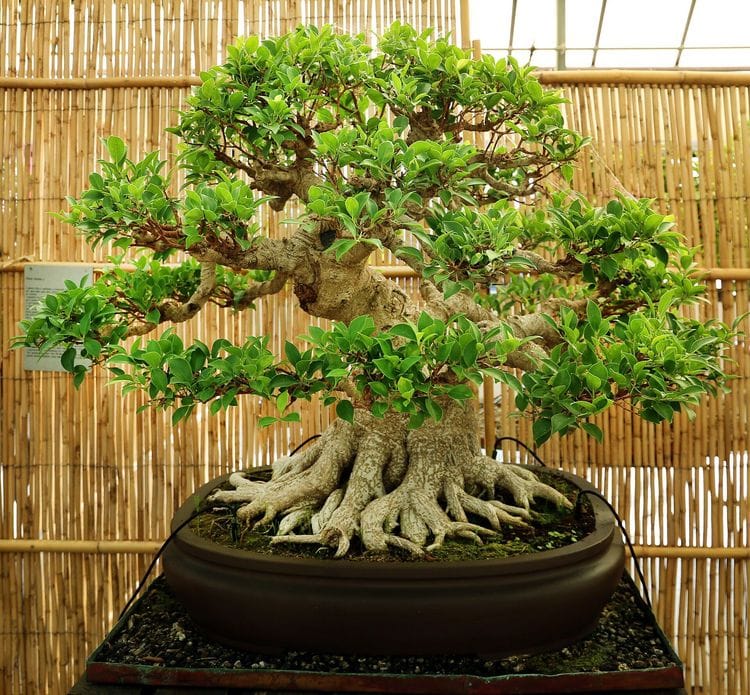
Photo: Sailko / Wikimedia Commons · CC BY-SA 4.0 Ficus retusa
Ficus microcarpa ‘Retusa’
BeginnerTropical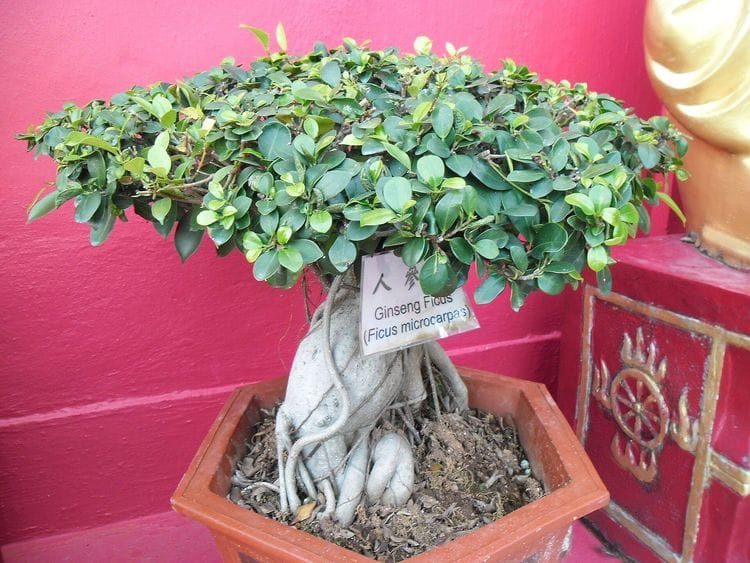
Photo: Earth100 / Wikimedia Commons · CC BY-SA 3.0 Ginseng ficus
Ficus microcarpa ‘Ginseng’
BeginnerTropical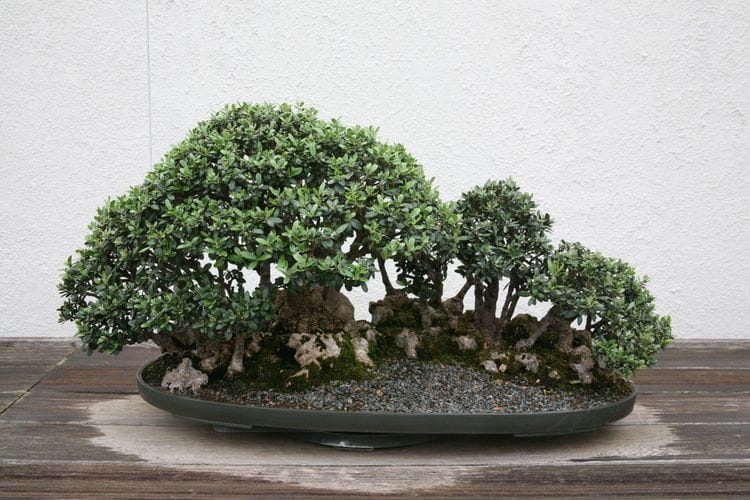
Photo: Cliff from Arlington, Virginia, USA / Wikimedia Commons · CC BY 2.0 Olive
Olea europaea
BeginnerTemperate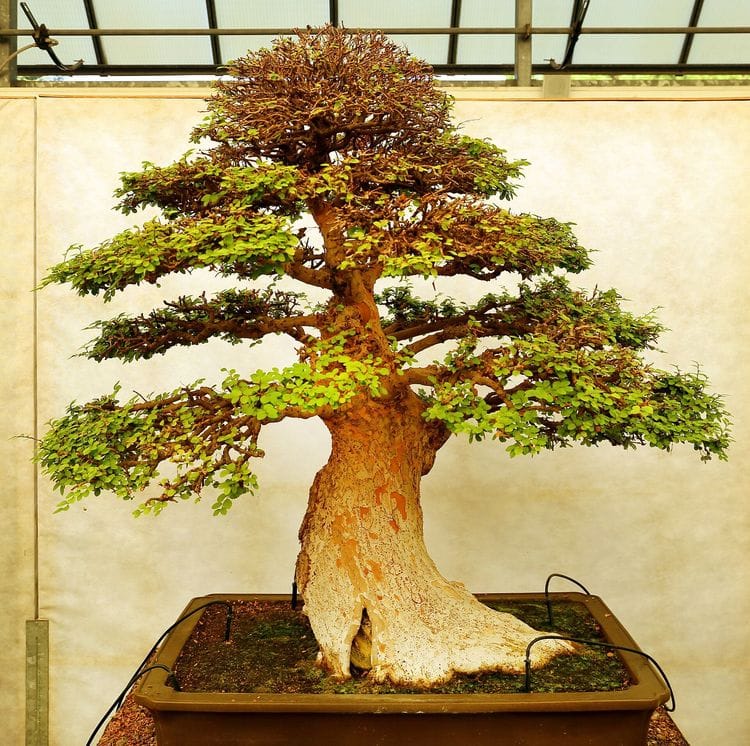
Photo: Sailko / Wikimedia Commons · CC BY-SA 4.0 Chinese elm
Ulmus parvifolia
BeginnerTemperate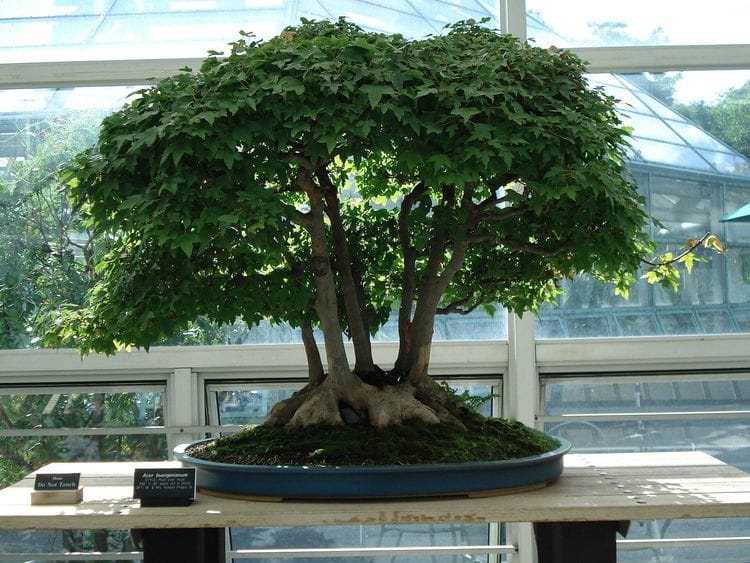
Photo: Jeffrey O. Gustafson / Wikimedia Commons · CC BY-SA 3.0 Trident maple
Acer buergerianum
IntermediateTemperate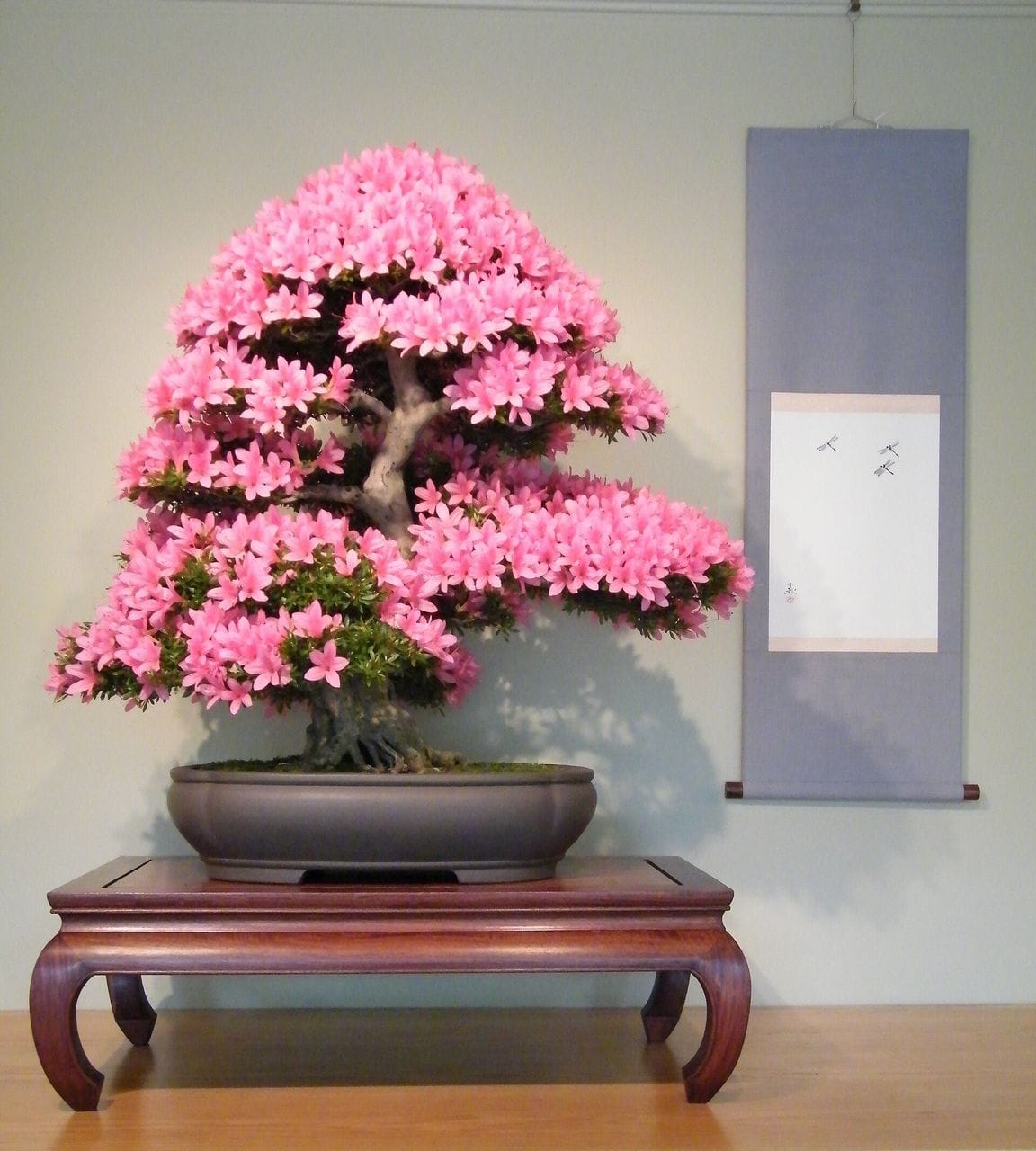
Photo: Sarah Stierch / Wikimedia Commons · CC BY 4.0 Satsuki azalea
Rhododendron indicum
IntermediateTemperate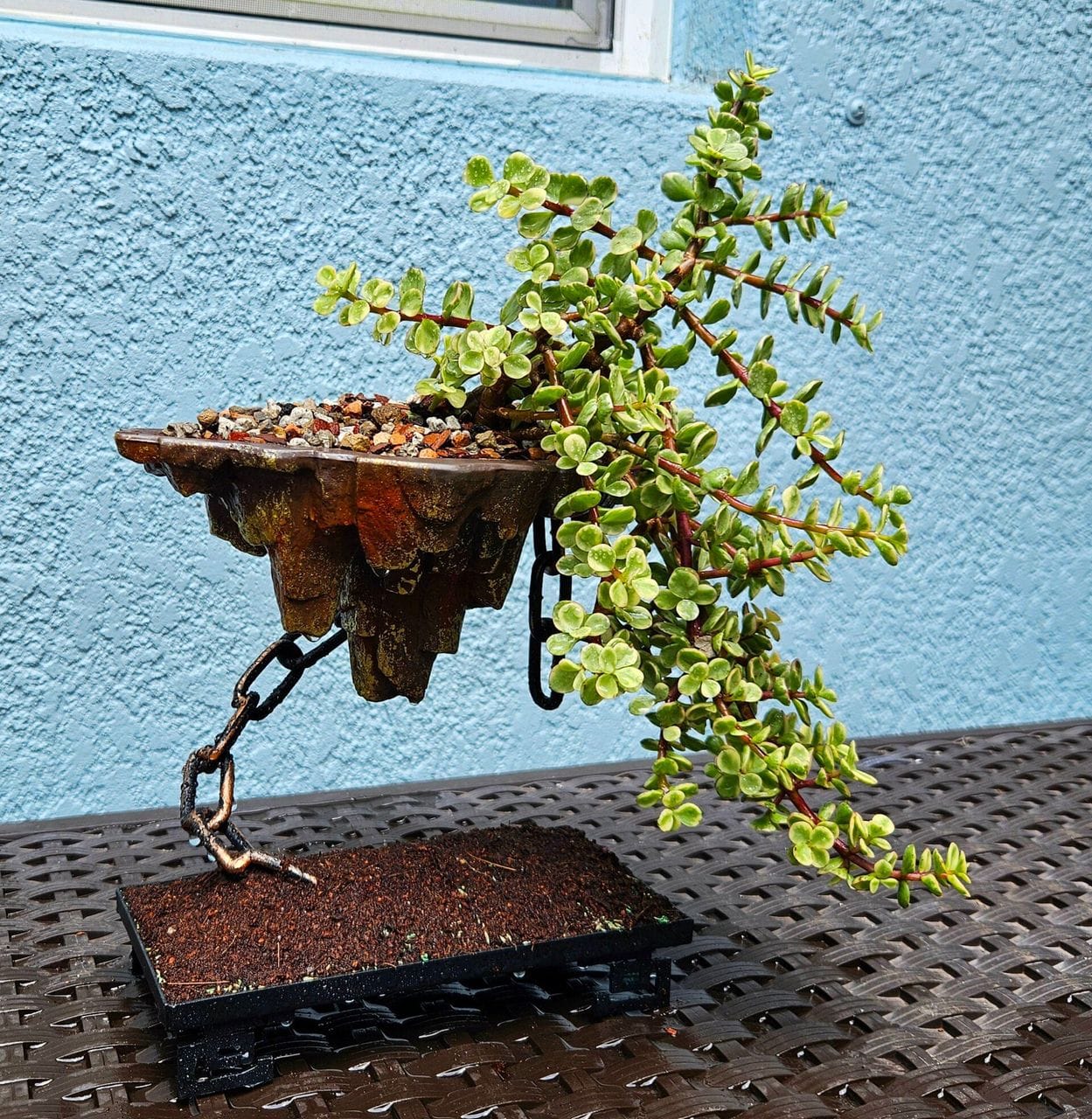
Photo: KevgRyan / Wikimedia Commons · CC0 Portulacaria
Portulacaria afra
BeginnerTropical


What you need
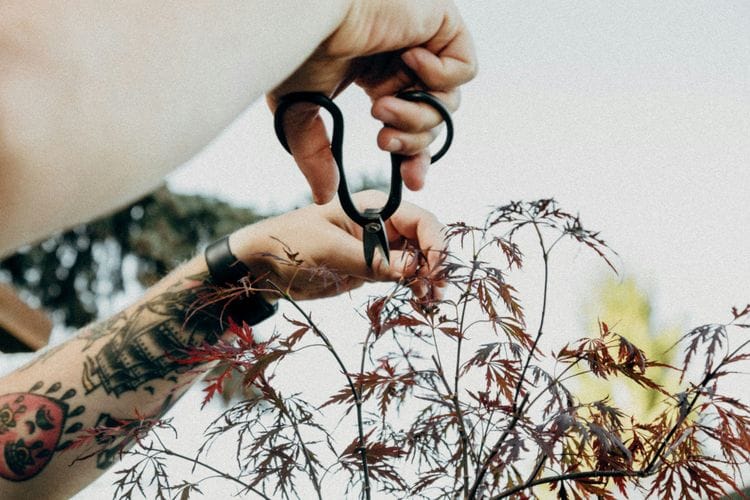
Photo: Priscilla Du Preez / Unsplash · Unsplash License ToolsLong-handle bonsai scissors
For pinching and trimming fine shoots inside a dense canopy without damaging nearby leaves.
- For
- Shoots and leaves
- Level
- All
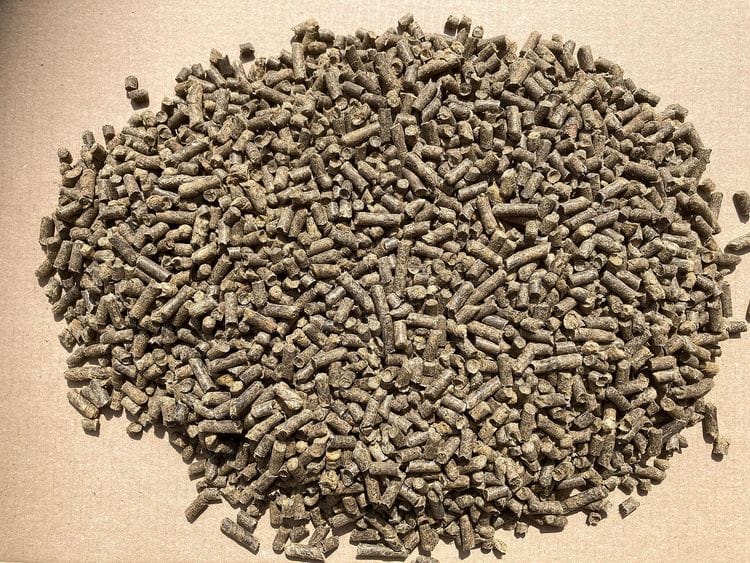
Photo: RolfSr / Wikimedia Commons · CC BY-SA 4.0 FeedingSolid organic bonsai fertilizer
It releases nutrients slowly with every watering, so it is hard to overdo. Ideal for beginners.
- Format
- Pellets
- Frequency
- Every 4–6 weeks
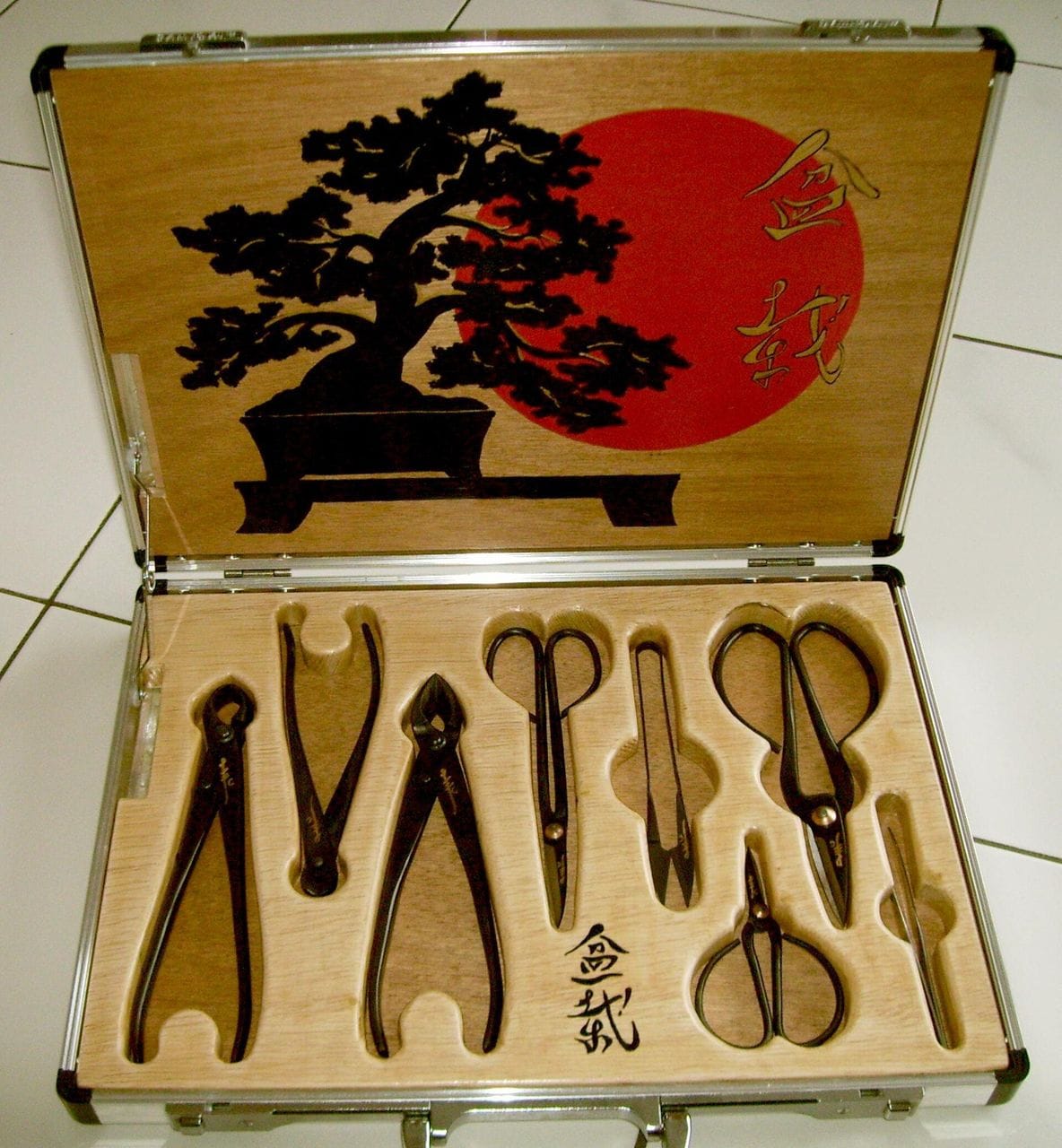
Photo: Edward Cwik / Wikimedia Commons · CC BY-SA 3.0 ToolsStarter tool kit
Concave cutter, scissors, wire cutter, tweezers and rake in a case. Cheaper than buying the pieces one by one when you start.
- Includes
- 5 tools + case
- Level
- Beginner


