Soils · 12 materials
Soil types and how they differ
Good bonsai soil balances three things: it holds water, lets air through and does not break down over the years. No material does all three, which is why they are mixed.
| Type | Holds water | Aeration | Durability | pH | Recommendation |
|---|---|---|---|---|---|
| Akadama | 4/5 | 3/5 | 2/5 | 6–6,8 | Base of the mix |
| Kanuma | 4/5 | 3/5 | 2/5 | 4,5–5,5 | Base of the mix |
| Kiryu | 2/5 | 4/5 | 5/5 | 5,5–6,5 | Supplement |
| Pumice | 3/5 | 5/5 | 5/5 | Neutral | Base of the mix |
| Lava rock (scoria) | 2/5 | 5/5 | 5/5 | Neutral | Base of the mix |
| Zeolite | 3/5 | 4/5 | 5/5 | Neutral | Supplement |
| Quartz grit and coarse sand | 1/5 | 4/5 | 5/5 | Neutral | Supplement |
| Expanded clay pebbles | 1/5 | 5/5 | 5/5 | Neutral | Avoid in bonsai |
| Perlite | 2/5 | 4/5 | 2/5 | Neutral | Avoid in bonsai |
| Composted pine bark | 3/5 | 3/5 | 2/5 | Acidic | Supplement |
| Coir | 5/5 | 2/5 | 2/5 | Slightly acidic | Avoid in bonsai |
| Peat and potting compost | 5/5 | 1/5 | 1/5 | Acidic | Avoid in bonsai |
Scale of 1 to 5 dots. Indicative values: they vary with particle size and the quality of each brand.
Japanese minerals
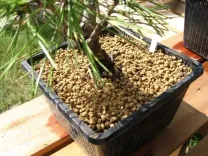
Photo: Globalist1789 / Wikimedia Commons Base of the mix赤玉土
Akadama
Fired volcanic clay from the Kantō region of Japan.
- Holds water
- 4/5
- Aeration
- 3/5
- Durability
- 2/5
- pH
- 6–6,8
It holds water and nutrients well and changes colour as it dries, so it tells you when to water. Over the years and through frosts it breaks down into dust, which is why trees are repotted every few years. Hard-grade akadama lasts much longer.
Use for: Base of almost every mix, especially deciduous and tropical trees.
Base of the mix鹿沼土
Kanuma
Weathered volcanic pumice from Kanuma (Tochigi, Japan).
- Holds water
- 4/5
- Aeration
- 3/5
- Durability
- 2/5
- pH
- 4,5–5,5
Light, pale yellow and soft. Its acidic pH is what sets it apart: it keeps lime-hating species healthy. It breaks down a little faster than akadama.
Use for: Satsuki azaleas and other acid-loving species, on its own or with some pumice.
Supplement桐生砂
Kiryu
Iron-rich volcanic sand from Kiryū (Gunma, Japan).
- Holds water
- 2/5
- Aeration
- 4/5
- Durability
- 5/5
- pH
- 5,5–6,5
Hard, heavy, angular grains that do not break down. It drains very fast and makes the tree more stable in the pot. Harder to find and more expensive than lava.
Use for: Pines and junipers, mixed with akadama.
Volcanic and other minerals
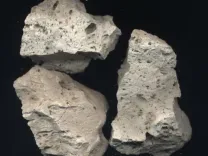
Photo: Hausmaus / Wikimedia Commons Base of the mix
Pumice
Foamy volcanic rock full of pores.
- Holds water
- 3/5
- Aeration
- 5/5
- Durability
- 5/5
- pH
- Neutral
Light and very porous: it holds water inside its pores but leaves plenty of air between particles. It never breaks down. Fine roots grip its rough surface well. It is so light it floats on the first watering.
Use for: Any species. It lightens mixes and improves drainage.
Photo: Wilson44691 / Wikimedia Commons Base of the mix
Lava rock (scoria)
Crushed volcanic scoria, red or black.
- Holds water
- 2/5
- Aeration
- 5/5
- Durability
- 5/5
- pH
- Neutral
Heavier and less porous than pumice. It adds structure and very fast drainage, and its weight steadies tall trees. The grains are rough: take care with fine roots.
Use for: Conifers, olives and species that like to dry out between waterings.
Supplement
Zeolite
A volcanic aluminosilicate mineral.
- Holds water
- 3/5
- Aeration
- 4/5
- Durability
- 5/5
- pH
- Neutral
It does not break down and holds nutrients on its surface, releasing them gradually. Its colour does not change as it dries, so mix it with akadama to see when to water.
Use for: A long-lasting supplement, replacing part of the akadama.
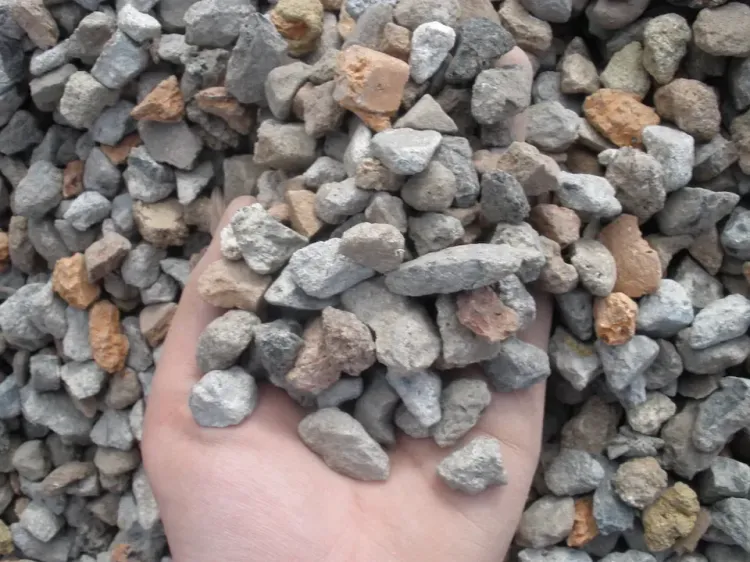
Photo: a22375 / Wikimedia Commons · CC BY-SA 4.0 Supplement
Quartz grit and coarse sand
Washed quartz grit or river sand, 2 to 5 mm.
- Holds water
- 1/5
- Aeration
- 4/5
- Durability
- 5/5
- pH
- Neutral
Cheap and durable, but heavy and with almost no water retention. Never beach sand (it contains salt) or fine builder’s sand, which clogs the pot.
Use for: A small share of mixes for olive, wild olive and drought-tolerant species.
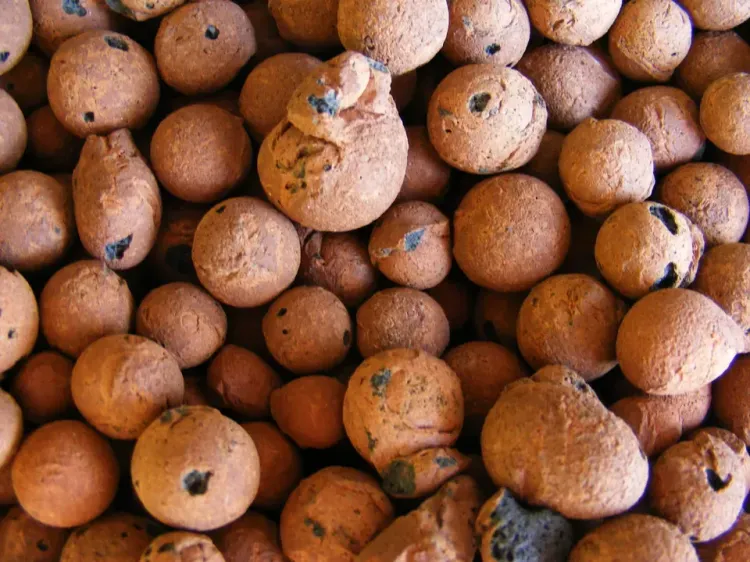
Photo: Lucis / Wikimedia Commons · CC BY-SA 3.0 Avoid in bonsai
Expanded clay pebbles
Fired clay balls, hollow inside.
- Holds water
- 1/5
- Aeration
- 5/5
- Durability
- 5/5
- pH
- Neutral
Their smooth, round surface holds no water and roots cannot grip it. They also float and shift when watered. Often sold as “bonsai soil”, but they are not.
Use for: Only as a drainage layer in large growing pots.
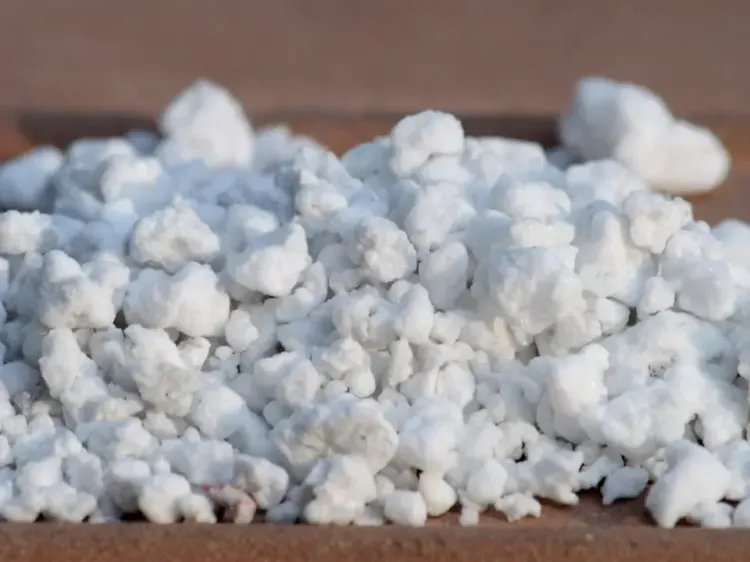
Photo: Ragesoss / Wikimedia Commons · CC BY-SA 3.0 Avoid in bonsai
Perlite
Volcanic glass expanded by heat.
- Holds water
- 2/5
- Aeration
- 4/5
- Durability
- 2/5
- pH
- Neutral
Very light and white. It lightens organic mixes, but breaks easily, floats and rises to the surface with watering.
Use for: Cuttings and growing mixes; not in a bonsai pot.
Organic
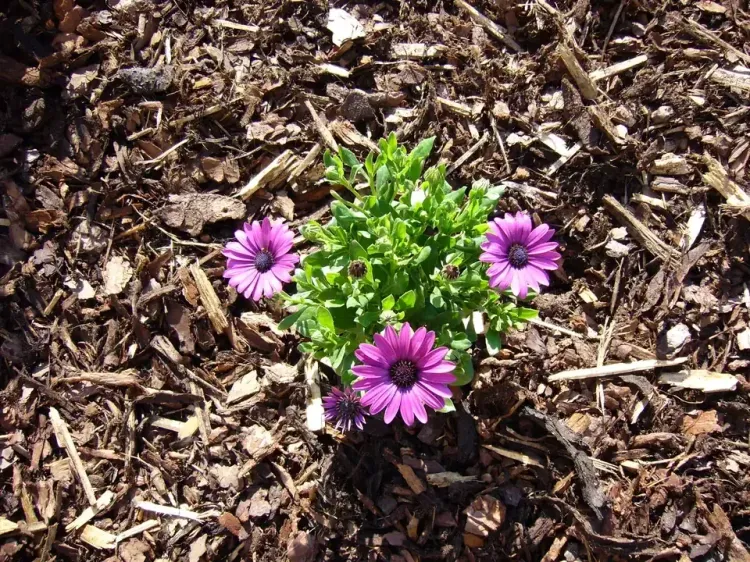
Photo: Geoprofi Lars / Wikimedia Commons · CC BY-SA 4.0 Supplement
Composted pine bark
Shredded, composted bark of fine grade.
- Holds water
- 3/5
- Aeration
- 3/5
- Durability
- 2/5
- pH
- Acidic
It adds some organic matter and water retention, but breaks down within a year or two and gradually compacts the mix.
Use for: Developing trees in growing pots, at 10–20% at most.
Photo: MatiasMiika / Wikimedia Commons · CC BY 3.0 Avoid in bonsai
Coir
Fibre from coconut husks.
- Holds water
- 5/5
- Aeration
- 2/5
- Durability
- 2/5
- pH
- Slightly acidic
It holds a lot of water and compacts over time. A sustainable alternative to peat in gardening, but in a shallow pot it keeps the roots too wet.
Use for: Seedlings and growing in the ground; not bonsai.
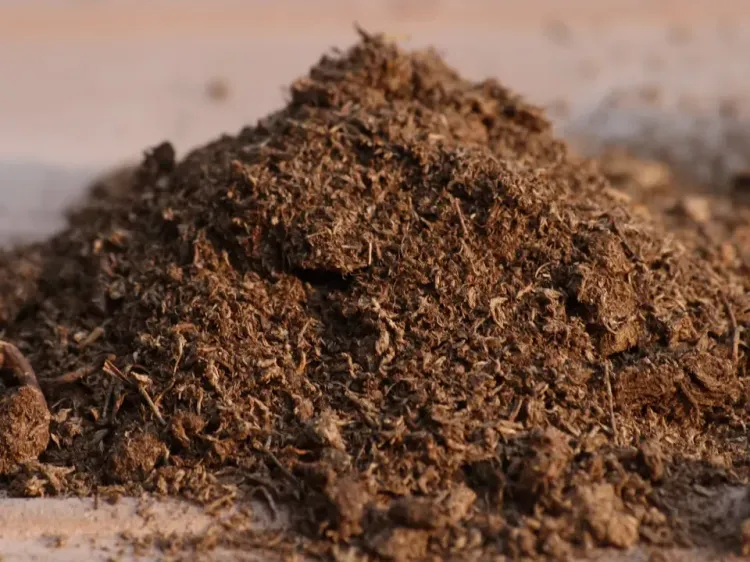
Photo: Ragesoss / Wikimedia Commons · CC BY-SA 3.0 Avoid in bonsai
Peat and potting compost
Decomposed plant matter from peat bogs.
- Holds water
- 5/5
- Aeration
- 1/5
- Durability
- 1/5
- pH
- Acidic
It is what most supermarket bonsai come in. It holds water for days, compacts and, once dry, is very hard to wet again. It is the main cause of rotten roots.
Use for: None in bonsai: replace it at the first repotting.
Now for the mix
Each species profile gives its recommended mix. To work out how many litres of each material you need, use the calculator; to choose brand and bag size, see the buying guide.