
Tropical · Evergreen
Ginseng ficus
Ficus microcarpa ‘Ginseng’ · Moraceae
ガジュマル · gajumaru
The best-selling supermarket bonsai: tuber-like swollen roots and a canopy that forgives almost anything. Here is how to turn it into a real bonsai.
Quick care facts
- Light
- Plenty of lightOutdoors in summer, in sun or partial shade. In winter, by the brightest window in the house.
- Watering
- When the surface driesIt tolerates the odd missed watering. The bulb stores water: overwatering softens and rots it.
- Soil
- Akadama 50 · pumice 25 · lava 25It usually comes in compacted soil: replace it at the first repotting.
- Feeding
- Every 2–3 weeksApril to September. In winter only if it keeps growing in good light.
- Pruning
- Let 6–8 leaves grow, cut back to 2First let the canopy thicken the branches; then prune to build ramification.
- Repotting
- Every 2 yearsMay to June, in steady warmth. Raise the bulb gradually to show it off.
- Difficulty
- Beginner
- Climate
- Above 10 °CTropical. Under cover once nights drop below 12 °C.
About the species
The ginseng ficus is not a separate species but a Ficus microcarpa grown in a special way: seedlings are raised in the ground until the root and lower stem swell, then lifted to show off that bulb, and often grafted with the smaller leaves of ficus retusa. It is the bonsai you find in florists and supermarkets.
It is a good way in because it is almost indestructible, but there are two things to know. First, the bulb barely grows any more, so the work is in the canopy, which needs to grow and ramify until it is in proportion. Second, it does best outdoors from April to October, in sun or partial shade, and spends winter under cover by the brightest window once nights drop below 12 °C.
Yearly calendar
What to do each month. In warm climates, bring spring tasks forward by about three weeks.
| Task | J | F | M | A | M | J | J | A | S | O | nowN | D |
|---|---|---|---|---|---|---|---|---|---|---|---|---|
| Feeding | ✓ | ✓ | ✓ | ✓ | ✓ | ✓ | ||||||
| Pruning | ✓ | ✓ | ✓ | ✓ | ||||||||
| Pinching | ✓ | ✓ | ✓ | ✓ | ✓ | |||||||
| Repotting | ✓ | ✓ | ||||||||||
| Wiring | ✓ | ✓ | ✓ | |||||||||
| Winter protection | ✓ | ✓ | ✓ | ✓ | ✓ |
Calendar for the northern hemisphere.
Common problems
- DiagnosisFicus dropping leaves
- DiagnosisFicus with yellow leaves
- DiagnosisGinseng ficus: soft or shrivelled bulb
SymptomIt drops lots of leaves after you bring it home
It is reacting to the change of light from the nursery. Give it the brightest spot you have, water only when needed and it will push new leaves within weeks.
SymptomThe bulb is soft or shrivelled
Soft and dark: rot from overwatering; check the roots and switch to mineral soil. Shrivelled: it has been short of water for a long time.
PestWhite cottony blobs in the leaf axils
Mealybugs, common indoors in winter. Remove them with a cotton bud dipped in alcohol and spray potassium soap.
PestLeaves with silvery specks and curled edges
Thrips. They appear with dry, heated air. Spray potassium soap weekly and raise the humidity.
Seeing a different symptom?Diagnose by symptom
What we use with Ginseng ficus
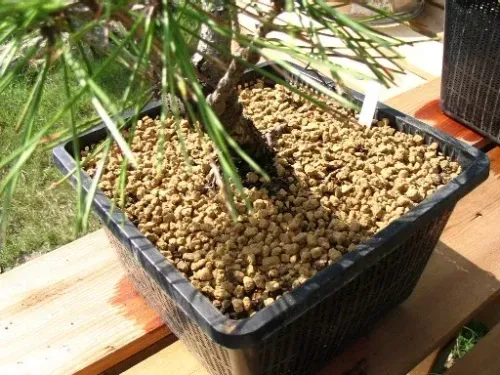
Photo: Globalist1789 / Wikimedia Commons · Public domain SoilHard-grade akadama · 2–5 mm
The base of nearly all our mixes: it holds water without waterlogging and changes colour as it dries.
- Grain
- 3–6 mm
- Mix
- 50–70 % with pumice
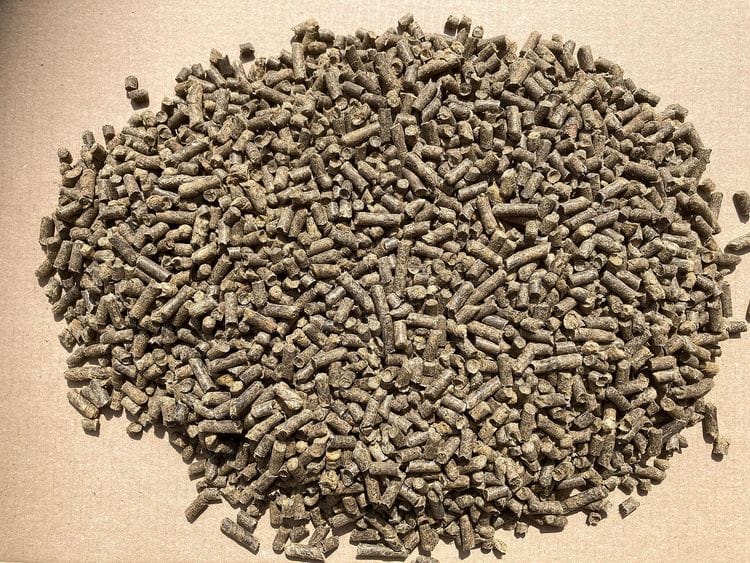
Photo: RolfSr / Wikimedia Commons · CC BY-SA 4.0 FeedingSolid organic bonsai fertilizer
It releases nutrients slowly with every watering, so it is hard to overdo. Ideal for beginners.
- Format
- Pellets
- Frequency
- Every 4–6 weeks
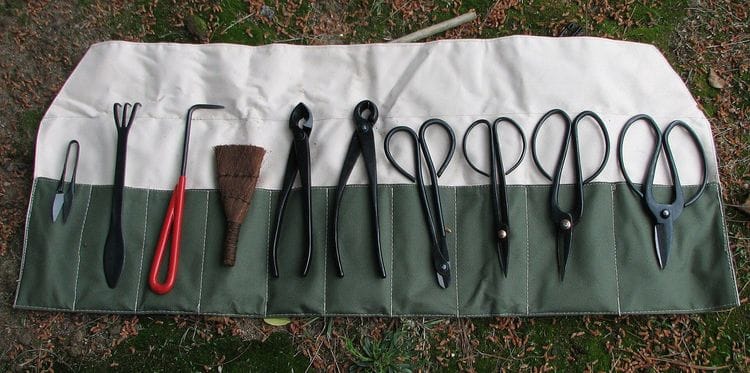
Photo: Ragesoss / Wikimedia Commons · CC BY-SA 3.0 ToolsCarbon steel concave cutter · 205 mm
Its curved blades cut the branch flush with the trunk. If you buy just one tool, make it this one.
- For
- Branches up to 12 mm
- Level
- All

