
Temperate · Evergreen
Wild olive
Olea europaea var. sylvestris · Oleaceae
野生オリーブ · yasei orību
The wild olive of Mediterranean hillsides: tiny leaves, trunks twisted by age and the toughness of a tree that grows on the harshest slopes.
Quick care facts
- Light
- Full sun all yearWith too little sun the internodes lengthen and it loses the small leaves that make it so good for bonsai.
- Watering
- ModerateIt copes with drought better than almost any species, but in a pot it needs water in summer. It hates waterlogging.
- Soil
- Akadama 40 · pumice 30 · lava 30Very free-draining. Some coarse sharp sand is fine.
- Feeding
- March to OctoberSolid organic fertilizer every 4–6 weeks, pausing in the hottest weeks.
- Pruning
- Constant pinchingIt buds from old wood: hard reductions are fine in spring, sealing large cuts.
- Repotting
- Every 2–3 yearsIn April or May, in steady warmth. It takes root pruning well.
- Difficulty
- Beginner
- Climate
- Down to −8 °CMediterranean. In a pot, protect the roots from hard, prolonged frost.
About the species
The wild olive (acebuche in Spanish) is the wild form of the olive. It grows on Mediterranean hills and slopes, often browsed by livestock and battered by wind, so it develops low, thick, twisted trunks with hollows and natural deadwood. Its leaves are smaller than those of the cultivated olive, which makes it ideal for bonsai of any size.
Many of the best exhibition wild olives in Spain come from old trees collected from the wild (yamadori). Collecting a tree requires the landowner’s permission and, depending on the region, a permit from the environmental authorities; never collect in protected areas. The simple alternative is to buy nursery stock or a young plant and train it from the start.
Yearly calendar
What to do each month. In warm climates, bring spring tasks forward by about three weeks.
| Task | J | F | M | A | M | J | J | A | S | O | nowN | D |
|---|---|---|---|---|---|---|---|---|---|---|---|---|
| Feeding | ✓ | ✓ | ✓ | ✓ | ✓ | ✓ | ✓ | ✓ | ||||
| Pruning | ✓ | ✓ | ✓ | ✓ | ✓ | ✓ | ✓ | |||||
| Pinching | ✓ | ✓ | ✓ | ✓ | ✓ | ✓ | ||||||
| Repotting | ✓ | ✓ | ||||||||||
| Wiring | ✓ | ✓ | ✓ | ✓ | ✓ |
Calendar for the northern hemisphere.
Common problems
PestShoot tips eaten and leaves webbed together
Jasmine moth caterpillars (Palpita unionalis), common in late summer. Pick them off or use a Bacillus thuringiensis insecticide.
PestBrown scales stuck to the branches
Scale insects. Brush them off and use horticultural oil in winter.
DiseaseRound dark spots with a yellow halo
Olive leaf spot, a fungus of wet autumns. Remove affected leaves and apply a copper fungicide in autumn.
Seeing a different symptom?Diagnose by symptom
What we use with Wild olive
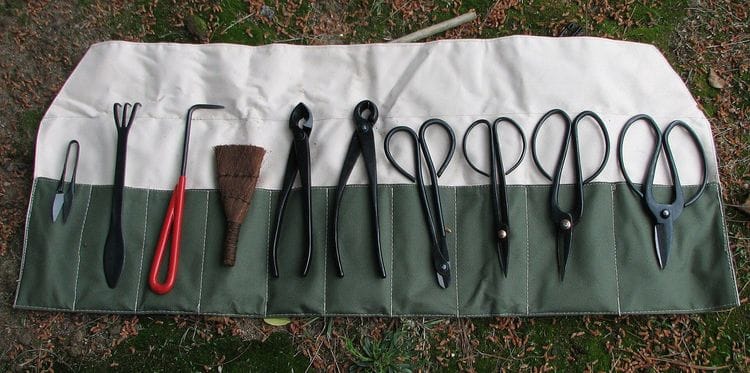
Photo: Ragesoss / Wikimedia Commons · CC BY-SA 3.0 ToolsCarbon steel concave cutter · 205 mm
Its curved blades cut the branch flush with the trunk. If you buy just one tool, make it this one.
- For
- Branches up to 12 mm
- Level
- All
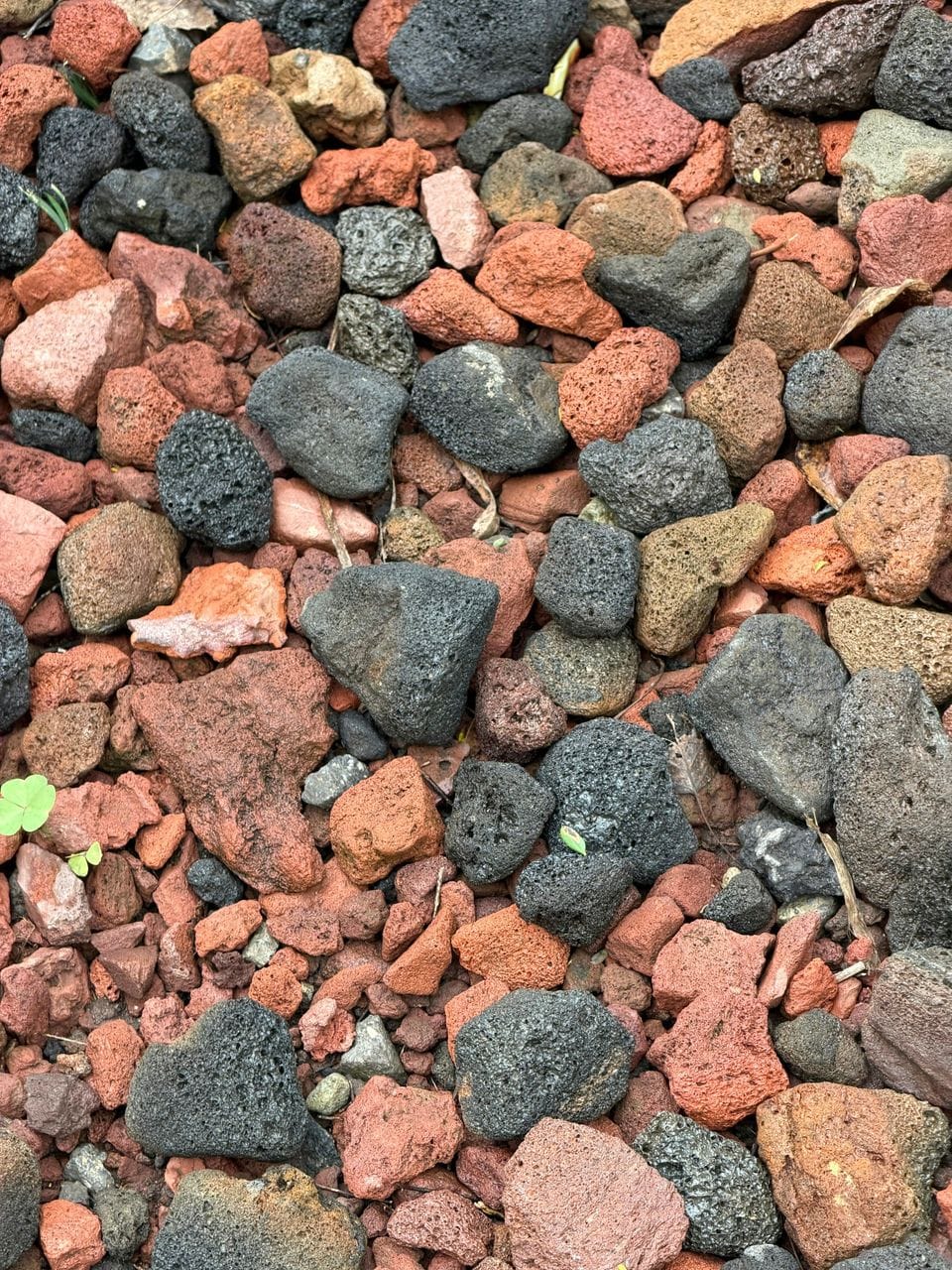
Photo: Pedro Vit / Unsplash · Unsplash License SoilLava rock · 3–8 mm
Adds structure and air to mixes for pines, junipers and olives. It does not break down over the years.
- Grain
- 3–8 mm
- For
- Conifers and Mediterranean species


- Care
Cut paste for pruning wounds
Seals large cuts so the edges do not dry out and the wound closes more cleanly.
ForCuts over 5 mm · UseAfter pruning