Yellow leaves
Which leaves turn yellow, and how, tells you the cause: overwatering, chlorosis, low light or simple renewal.
Yellow leaves are the most common symptom and the most ambiguous: almost any problem ends up showing this way. The key is to look at which leaves turn yellow and how, because each pattern points to a different cause.
How to recognise it
- Old leaves inside the canopy turn yellow and drop. This may be normal leaf renewal, or overwatering.
- Many leaves turn yellow at once, including new ones, and the soil is always wet. Almost always overwatering or damaged roots.
- The leaf turns yellow but the veins stay green. That is chlorosis: a lack of iron or magnesium, or water and soil that are too alkaline.
- Leaves turn yellow suddenly after a move. Stress from a change of light, very typical of ficus brought home.
Most likely causes
- Overwatering. The number one cause. Check the soil with a skewer before watering and read the watering guide.
- Exhausted or compacted soil. If water is slow to soak in, the roots suffocate even if you water well. It is time to repot.
- Iron chlorosis. Common in azaleas, wisteria and hard-water areas.
- Too little light. Indoors, in low light, the tree sheds leaves it cannot sustain.
- Natural renewal. Conifers and many evergreens replace their oldest leaves every year or two, especially in autumn.
What to do now
- Stop watering out of habit and water only when the soil starts to dry.
- If the soil smells bad or the roots are dark and soft, read about root rot.
- For chlorosis, apply iron chelate at the dose on the pack and water with rainwater when you can.
- If you have just moved it, give it a bright, stable spot and do not move it again: it will push new leaves within weeks.
- Do not feed a tree that is losing leaves from overwatering: damaged roots cannot take it up and get burned.
How to stop it coming back
A free-draining mineral soil, watering guided by the soil rather than the calendar, and timely repotting prevent most cases. For acid-loving species, use kanuma and rainwater.
Profiles of the affected species
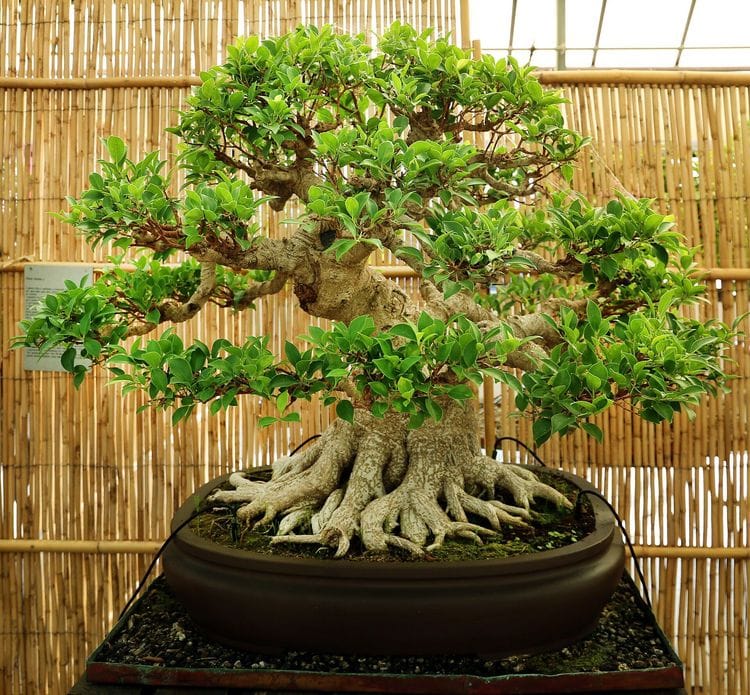
Photo: Sailko / Wikimedia Commons · CC BY-SA 4.0 Ficus retusa
Ficus microcarpa ‘Retusa’
BeginnerTropical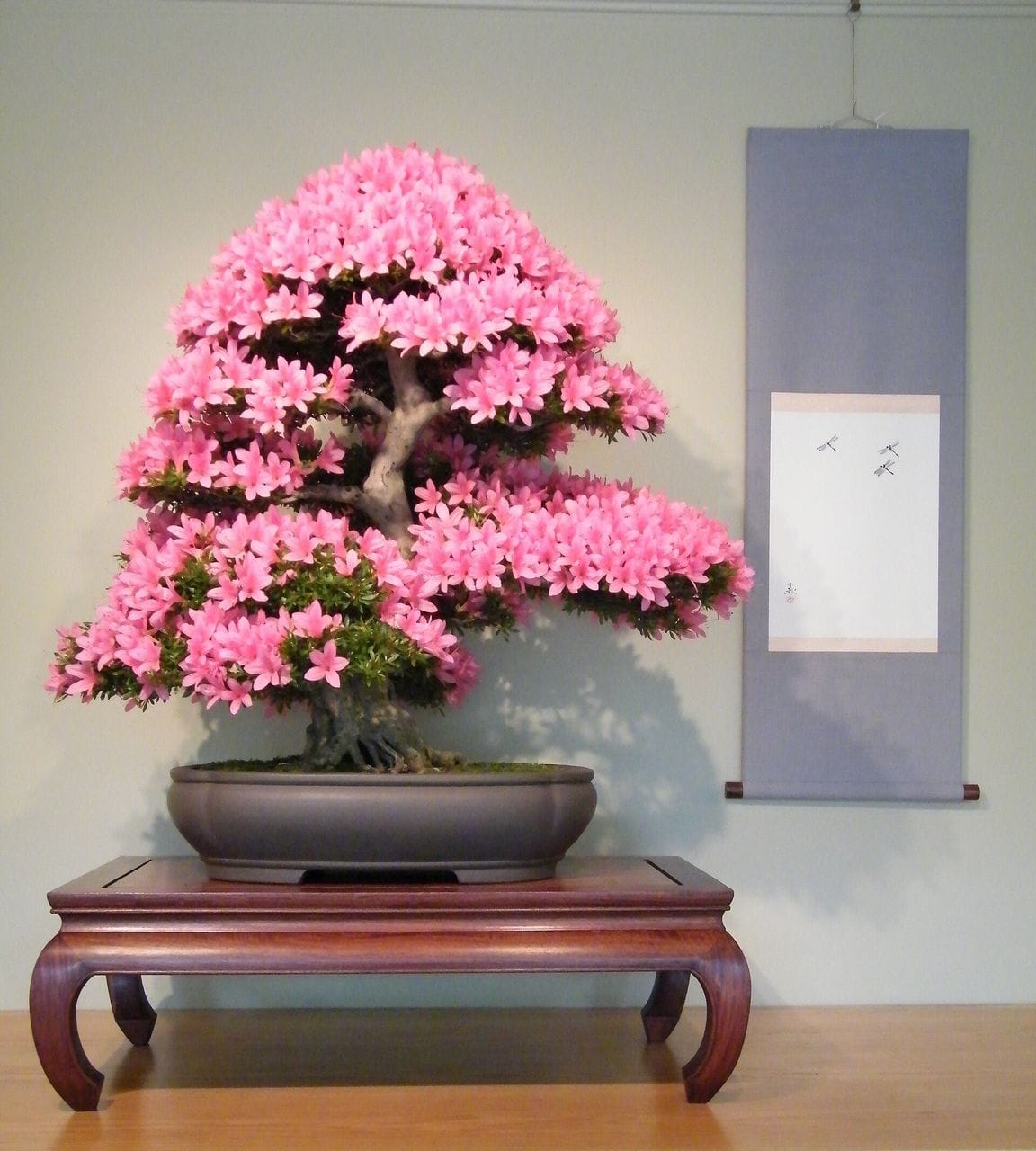
Photo: Sarah Stierch / Wikimedia Commons · CC BY 4.0 Satsuki azalea
Rhododendron indicum
IntermediateTemperate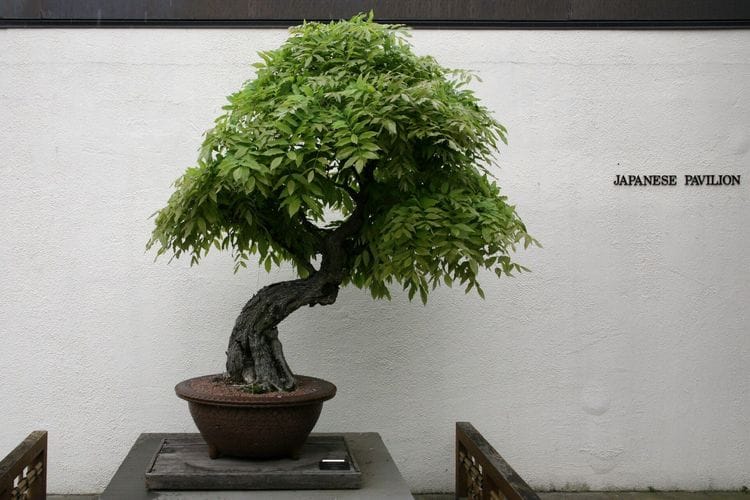
Photo: Cliff (Arlington, Virginia) / Wikimedia Commons · CC BY 2.0 Wisteria
Wisteria floribunda
AdvancedTemperate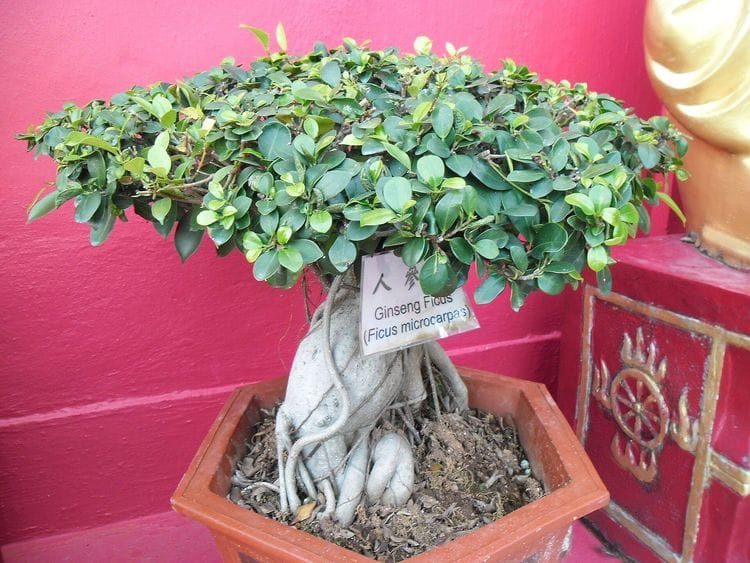
Photo: Earth100 / Wikimedia Commons · CC BY-SA 3.0 Ginseng ficus
Ficus microcarpa ‘Ginseng’
BeginnerTropical


What you need
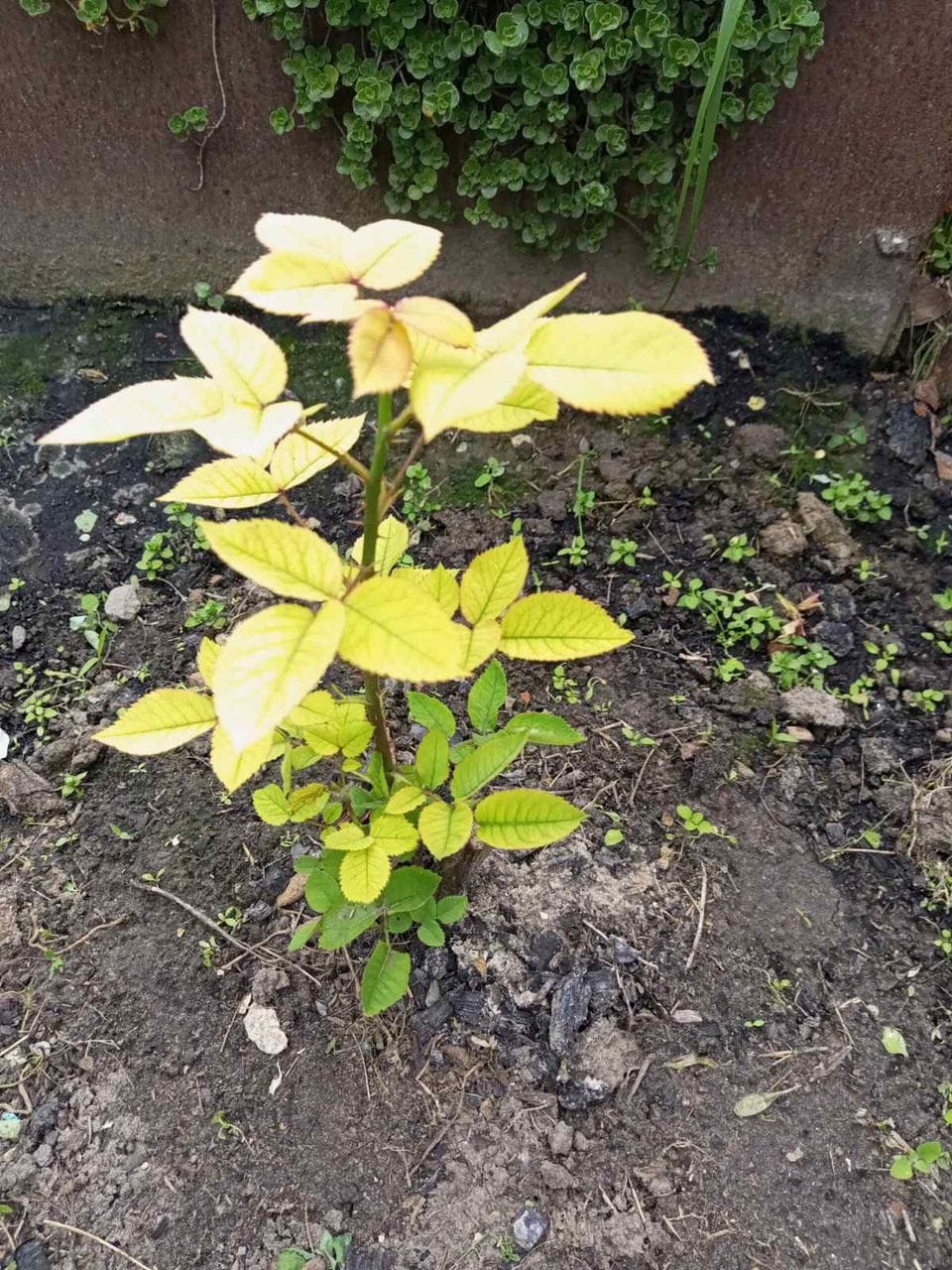
Photo: Natalka Ukraine / Wikimedia Commons · CC BY 4.0 FeedingIron chelate (EDDHA)
Corrects chlorosis (yellow leaves with green veins) in azaleas and species that suffer with hard water.
- For
- Iron chlorosis
- Use
- Dissolved in water
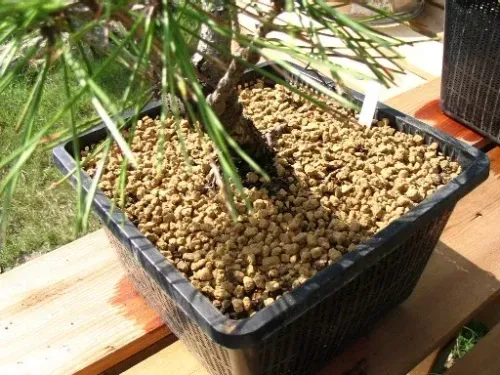
Photo: Globalist1789 / Wikimedia Commons · Public domain SoilHard-grade akadama · 2–5 mm
The base of nearly all our mixes: it holds water without waterlogging and changes colour as it dries.
- Grain
- 3–6 mm
- Mix
- 50–70 % with pumice
