
Temperate · Deciduous
Wisteria
Wisteria floribunda · Fabaceae
藤 · fuji
Hanging flower clusters in spring above a twisting trunk. A demanding species that rewards patience like no other.
Quick care facts
- Light
- Full sunThe more sun, the more flower buds it sets for the following spring.
- Watering
- Very heavyIt drinks a great deal in spring and summer. While flowering, many growers stand the pot in a saucer of water.
- Soil
- Akadama 70 · pumice 30With good water retention.
- Feeding
- After floweringMay to September, with a low-nitrogen fertilizer. Nitrogen gives long shoots and fewer flowers.
- Pruning
- Two prunings a yearIn summer, cut long shoots back to 2–3 leaves. In winter, shorten to 2 buds, keeping the plump, rounded flower buds.
- Repotting
- Every 2–3 yearsIn late winter, before the buds break.
- Difficulty
- Advanced
- Climate
- HardyTakes frost. Protect the flower clusters from late spring frosts.
About the species
The wisteria is a vigorous climber that, as a bonsai, puts on one of the most beautiful shows of the year: clusters of lilac, white or pink flowers hanging below the canopy in April and May. Japanese wisteria (Wisteria floribunda) has long racemes; Chinese wisteria (W. sinensis) has shorter ones and flowers earlier.
It is a species for growers with some experience, for two reasons. First, seed-grown plants can take more than ten years to flower, so it is best to start from a grafted plant or a cutting from one that already flowers. Second, flowering depends on pruning well twice a year, telling the plump, rounded flower buds from the thin, pointed leaf buds.
Yearly calendar
What to do each month. In warm climates, bring spring tasks forward by about three weeks.
| Task | J | F | M | A | M | J | J | A | S | O | nowN | D |
|---|---|---|---|---|---|---|---|---|---|---|---|---|
| Feeding | ✓ | ✓ | ✓ | ✓ | ✓ | |||||||
| Pruning | ✓ | ✓ | ✓ | ✓ | ✓ | |||||||
| Repotting | ✓ | ✓ | ||||||||||
| Wiring | ✓ | ✓ | ✓ |
Calendar for the northern hemisphere.
Common problems
SymptomLots of growth but no flowers
A young seedling, too much nitrogen, too little light, or winter pruning that removed the flower buds. Start from a grafted plant and feed low in nitrogen.
SymptomYellow leaves with green veins
Iron chlorosis from hard water or limy soil. Water with rainwater and give iron chelate.
PestNew shoots covered in green insects
Aphids, common as the leaves break. Rinse with water and spray potassium soap.
Seeing a different symptom?Diagnose by symptom
What we use with Wisteria
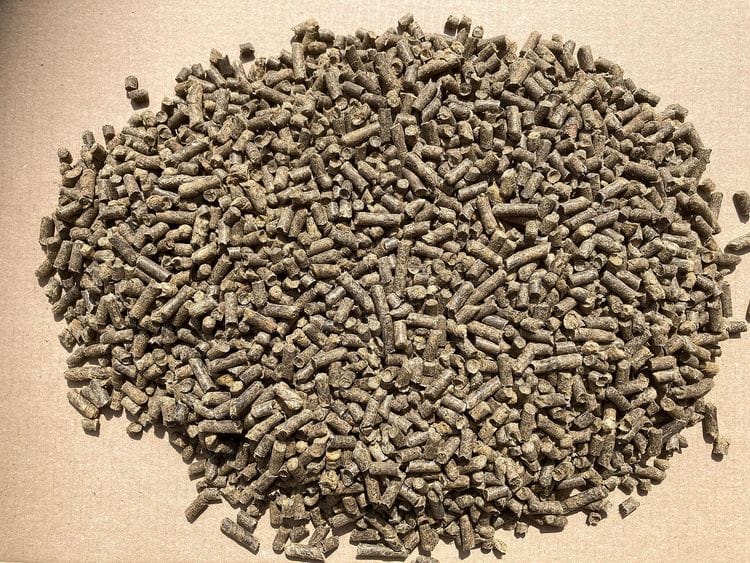
Photo: RolfSr / Wikimedia Commons · CC BY-SA 4.0 FeedingSolid organic bonsai fertilizer
It releases nutrients slowly with every watering, so it is hard to overdo. Ideal for beginners.
- Format
- Pellets
- Frequency
- Every 4–6 weeks
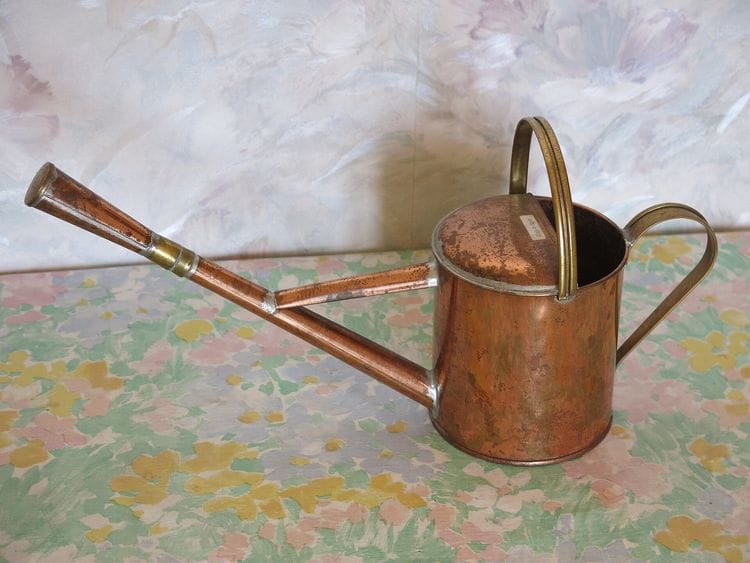
Photo: Tangopaso / Wikimedia Commons · Public domain WateringWatering can with fine rose
A fine shower soaks the soil without washing it away or lifting the moss.
- Capacity
- 1–2 L
- Use
- Daily watering
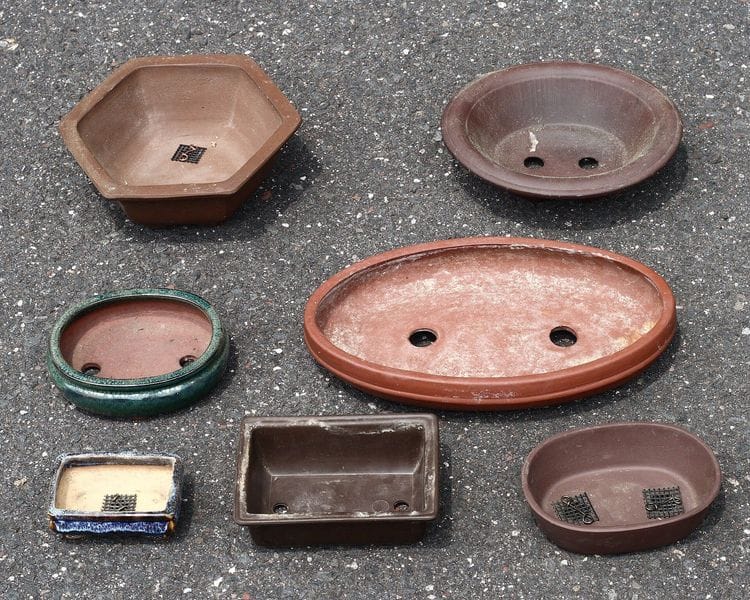
Photo: Ragesoss / Wikimedia Commons · CC BY-SA 3.0 PotsCeramic bonsai pot · unglazed stoneware
High-fired stoneware, frost resistant, with drainage and tie-down holes. Earthy tones suit conifers and deciduous trees.
- Material
- Stoneware
- For
- Display


