
All year · 3 min
The supermarket bonsai: which species it is and how to save it
You have been given a bonsai from a big store: how to tell which species it is, the problems it usually arrives with and what to do in the first weeks.
Many growers started this way: with a bonsai from a big store, a florist or the garden aisle of a supermarket, or one received as a gift. These trees are produced in huge numbers and reach the shop after weeks in transit, often in less than ideal conditions. With a few simple steps, most of them pull through. This guide helps you work out what you have and what to do in the first weeks.
Which species it usually is
Almost all mass-market bonsai belong to a handful of species. If yours came without a label, these clues will help:
| If you see… | It is probably | What it is like |
|---|---|---|
| Thick, tuber-like roots and glossy leaves | Ginseng ficus | Tropical; the best seller |
| A curving trunk with dark, glossy oval leaves | Ficus retusa | Tropical; very tough |
| Small, dark, slightly rough leaves, sometimes with white flowers | Fukien tea | Tropical; dislikes being moved |
| Tiny toothed leaves and pale, flaking bark | Chinese elm | Outdoor; sometimes sold as “zelkova” |
| Small leaves that smell unpleasant when crushed, white flowers | Serissa | Tropical; very sensitive |
| Needle or scale foliage, blue-green | Juniper | Outdoor; does not survive indoors |
| Small, fleshy, round leaves | Portulacaria | Succulent; very easy |
The most important part of this table is the last column. A juniper or elm kept indoors weakens within months, even though they are sold next to houseplants.
The usual problems they arrive with
- Compacted soil or peat, which stays wet for days and suffocates the roots.
- Stones or grit glued onto the surface, which stop water soaking in evenly and the soil breathing.
- Forgotten wire already biting into the bark.
- A pot without holes, or one sitting in a saucer of water.
- Stress from transport and the change of light, showing as yellowing or falling leaves.
What to do in the first weeks
- Identify the species with the table or the photos on each profile.
- Put it in its place and do not move it again. Outdoor species outside from day one; tropicals in the brightest spot in the house in winter and outdoors from May to October.
- Remove glued stones. Soak them for a few minutes and ease them apart; if they will not budge, crack the layer with a screwdriver without reaching the roots.
- Check the wire. If it marks the bark, cut it off in pieces with wire cutters or pliers, without unwinding it.
- Water only when it needs it. With compacted soil the skewer is essential: it can look dry on top and be soaked inside. See the watering guide.
- Do not repot yet, unless it smells rotten. Wait for its species’ season and then switch to a mineral soil. The repotting guide shows how.
- Do not feed it until you see new shoots.
What to expect
It is normal for it to drop some leaves in the first weeks: it is adjusting to less light than in the nursery. As long as the branches are green inside, it will bud again. If you are worried, the page on leaf drop has the test to check it is alive.
A supermarket bonsai does not have to stay that way. With one or two years of good care, a repotting into mineral soil and some pruning, many become trees with real character. If it is your first bonsai, follow the beginner route.
Species this applies to
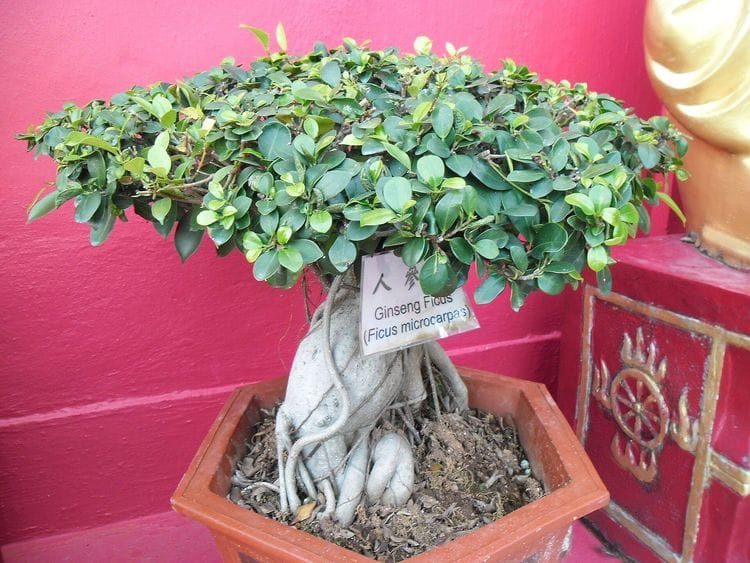
Photo: Earth100 / Wikimedia Commons · CC BY-SA 3.0 Ginseng ficus
Ficus microcarpa ‘Ginseng’
BeginnerTropical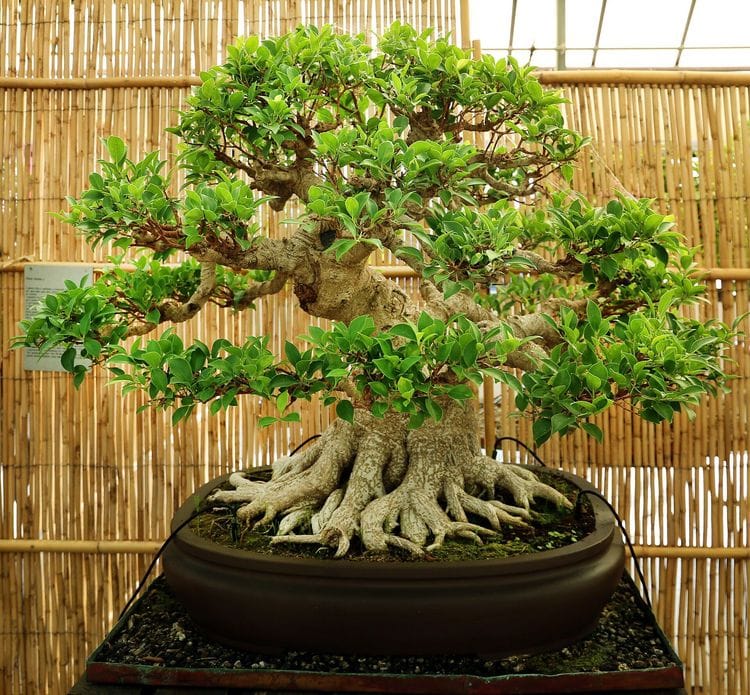
Photo: Sailko / Wikimedia Commons · CC BY-SA 4.0 Ficus retusa
Ficus microcarpa ‘Retusa’
BeginnerTropical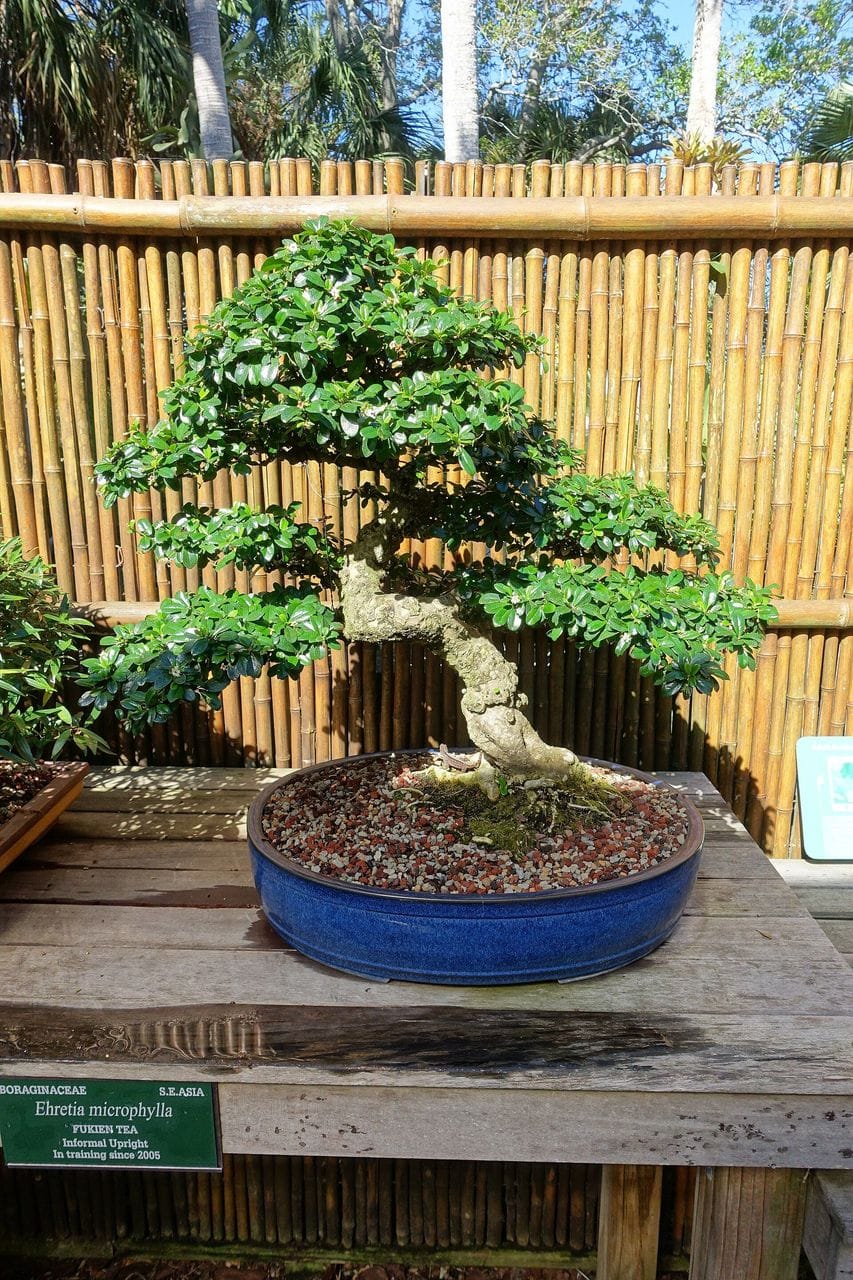
Photo: Daderot / Wikimedia Commons · CC0 Fukien tea
Carmona microphylla
AdvancedTropical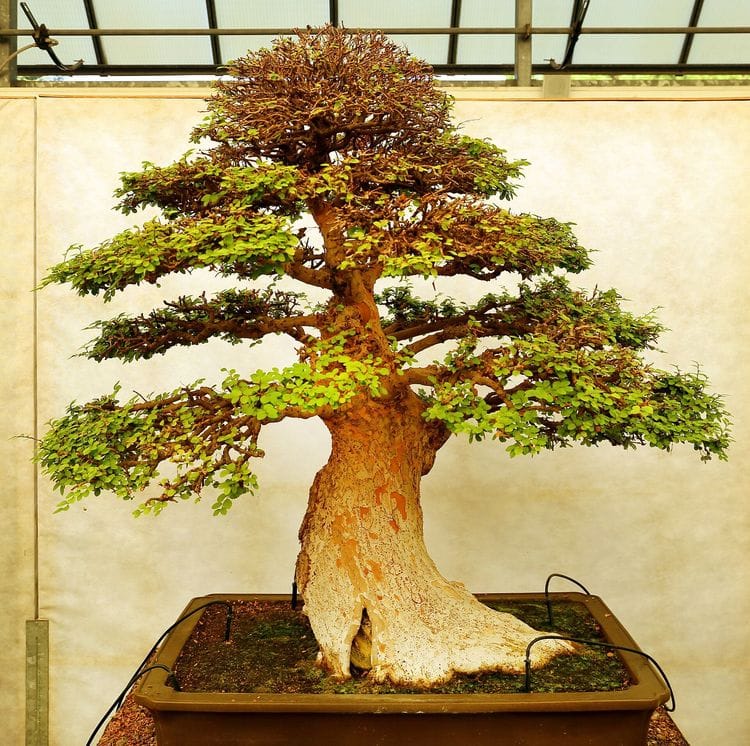
Photo: Sailko / Wikimedia Commons · CC BY-SA 4.0 Chinese elm
Ulmus parvifolia
BeginnerTemperate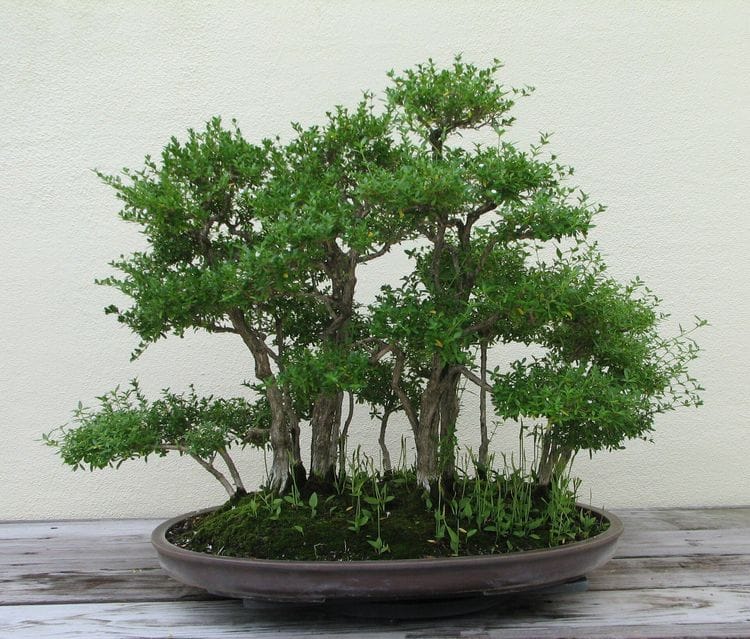
Photo: Ragesoss / Wikimedia Commons · CC BY-SA 4.0 Serissa
Serissa japonica
AdvancedTropical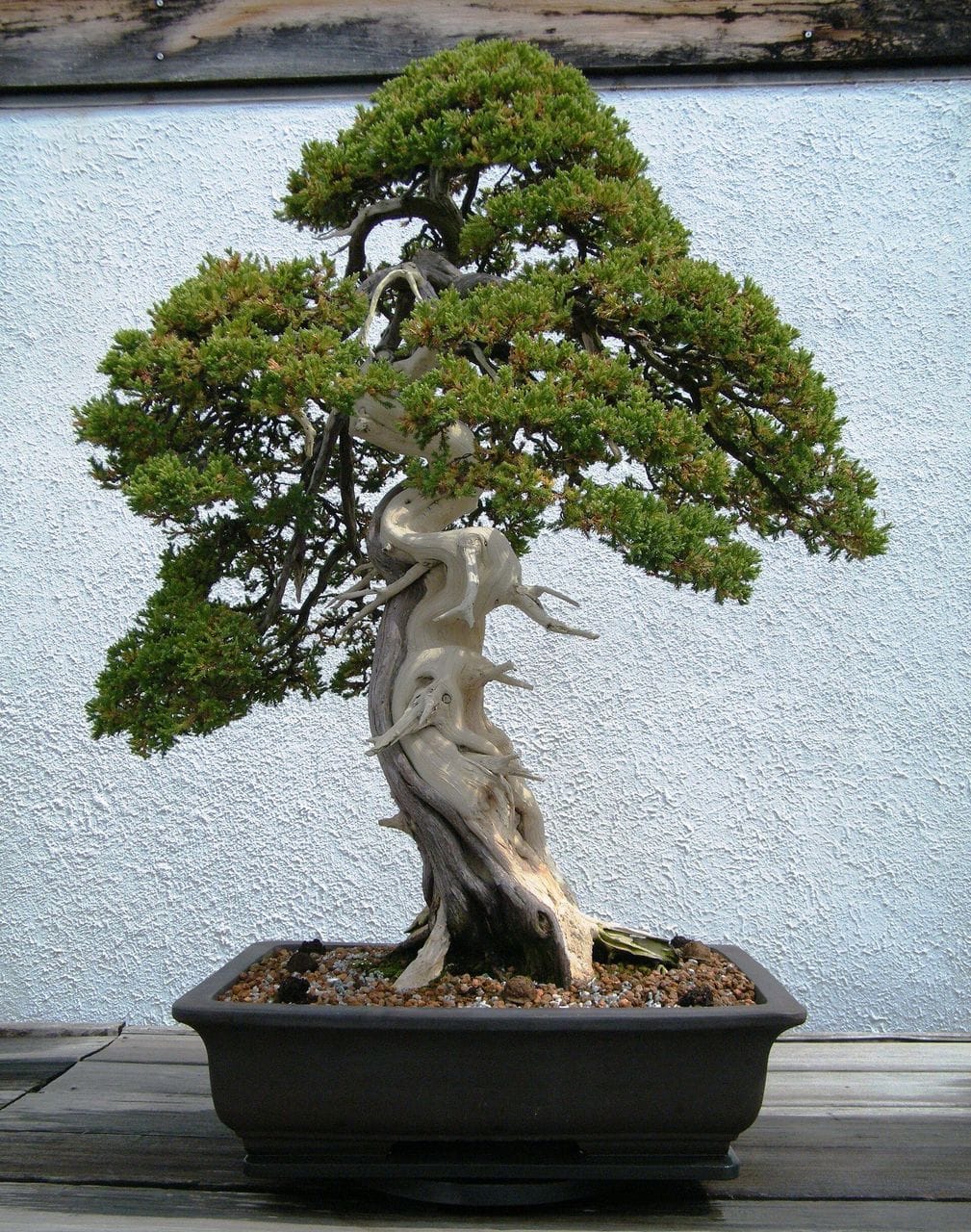
Photo: Sarah Stierch / Wikimedia Commons · CC BY 4.0 Juniper
Juniperus procumbens ‘Nana’
IntermediateTemperate


What you need
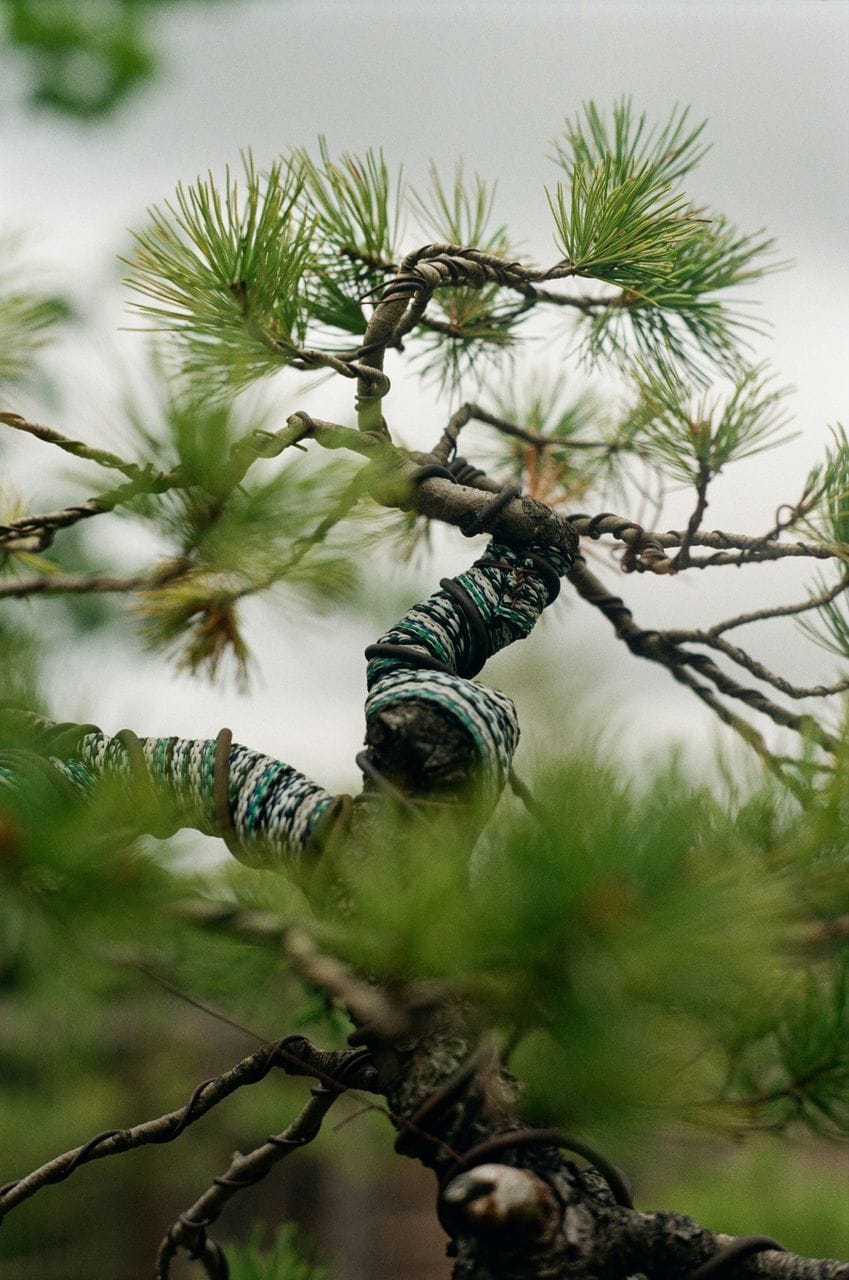
Photo: Kristina Bekher / Unsplash · Unsplash License WiringBonsai wire cutter
Its tip cuts wire right against the bark without damaging it. Removing wire in pieces is the safe way.
- For
- Wire up to 4 mm
- Level
- All
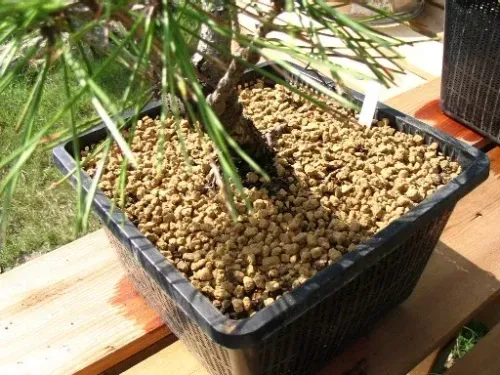
Photo: Globalist1789 / Wikimedia Commons · Public domain SoilHard-grade akadama · 2–5 mm
The base of nearly all our mixes: it holds water without waterlogging and changes colour as it dries.
- Grain
- 3–6 mm
- Mix
- 50–70 % with pumice

- Soil
Pumice · 3–6 mm
Light, porous and stable: it brings drainage and air to the mix. The second base of nearly all our soils.
Grain3–6 mm · Mix20–50 %