
Temperate · Conifer
Scots pine
Pinus sylvestris · Pinaceae
ヨーロッパアカマツ · yōroppa akamatsu
The pine of Europe’s hills and mountains: orange bark, short blue-green needles and a character that suits every style.
Quick care facts
- Light
- Full sunOutdoors all year. In shade the needles lengthen and the inner canopy weakens.
- Watering
- ModerateLet the soil dry a little between waterings. Conifers do not tolerate waterlogging.
- Soil
- Akadama 30 · pumice 35 · lava 35Very free-draining. Keep some old soil with mycorrhizae when repotting.
- Feeding
- Spring and autumnSolid organic fertilizer. On trees in refinement, feed lightly while the candles extend.
- Pruning
- Shorten candles in springPinch strong candles to a third and weak ones to half. In autumn, select two buds per tip.
- Repotting
- Every 3–5 yearsIn early spring, as the buds begin to lengthen. Moderate root pruning.
- Difficulty
- Intermediate
- Climate
- Very hardyTakes hard frost. In a pot, protect the roots below −10 °C.
About the species
The Scots pine is the most widespread pine in Europe and one of the great species of European bonsai. Its short, blue-green needles, bark that turns orange and flaky higher up the trunk, and its tolerance of cold make it perfect for inland and mountain climates, where species such as Japanese black pine struggle.
Unlike black pine, Scots pine flushes only once a year: in spring it extends its candles and does not grow again until the following year. So it does not get the summer candle cutting used on black pine; instead the candles are shortened in spring, and in autumn buds are selected and old needles removed to let light in.
Yearly calendar
What to do each month. In warm climates, bring spring tasks forward by about three weeks.
| Task | J | F | M | A | M | J | J | A | S | O | nowN | D |
|---|---|---|---|---|---|---|---|---|---|---|---|---|
| Feeding | ✓ | ✓ | ✓ | ✓ | ✓ | ✓ | ✓ | ✓ | ||||
| Pruning | ✓ | ✓ | ✓ | |||||||||
| Pinching | ✓ | ✓ | ||||||||||
| Repotting | ✓ | ✓ | ||||||||||
| Wiring | ✓ | ✓ | ✓ | ✓ | ✓ | |||||||
| Pest control | ✓ | ✓ | ✓ |
Calendar for the northern hemisphere.
Common problems
PestWhite silk nests at the branch tips
Pine processionary moth. Cut out and destroy the nests in winter wearing gloves and goggles: the caterpillar hairs are highly irritating, for dogs and cats too.
SymptomInner needles turn yellow in autumn
That is normal: pines shed needles older than two or three years. Pull them off by hand to let the light in.
SymptomVery long candles and oversized needles
Too little sun or too much fertilizer in spring. More sun, less feeding during the flush and timely candle pinching.
Seeing a different symptom?Diagnose by symptom
What we use with Scots pine
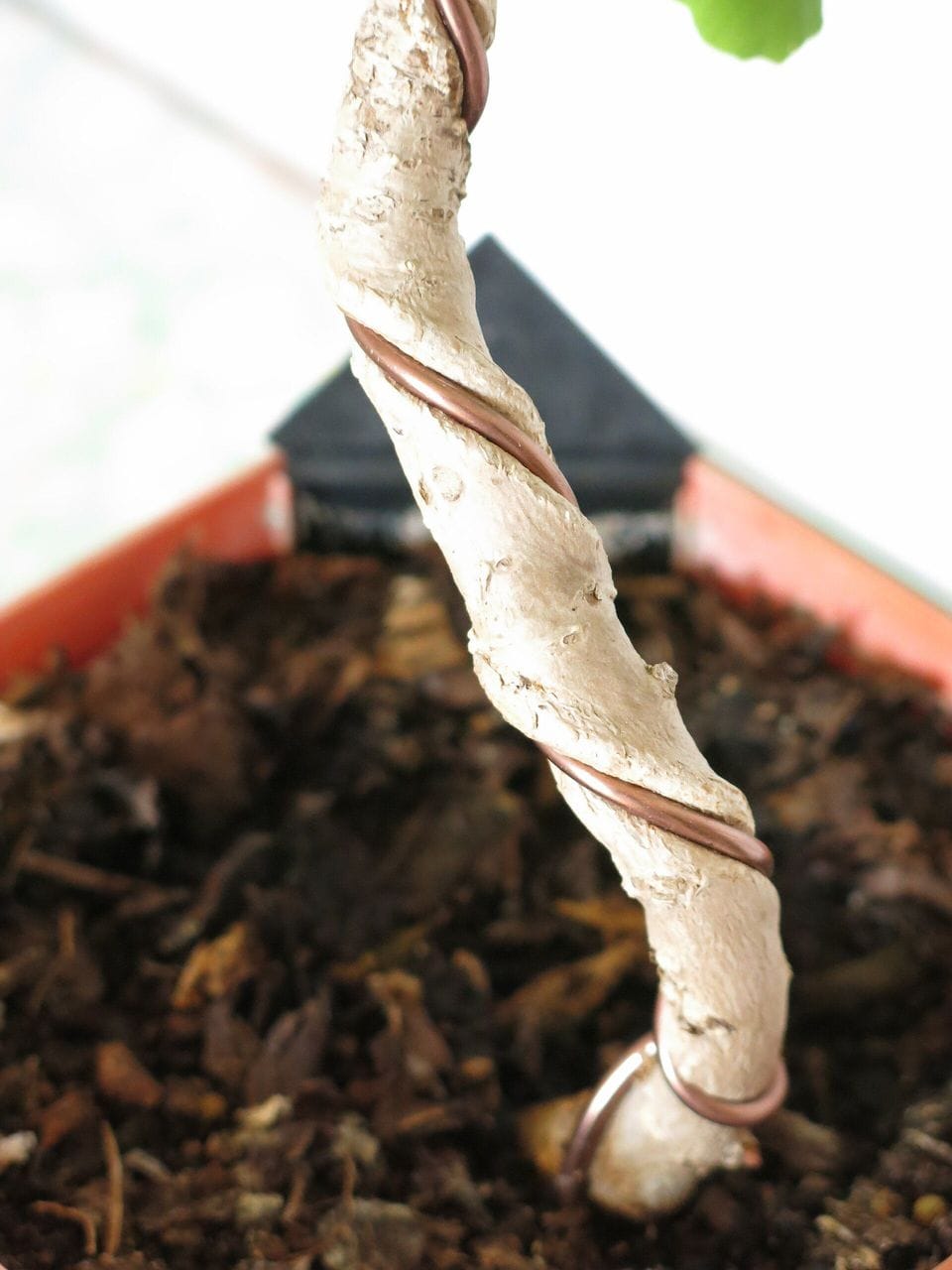
Photo: Tangopaso / Wikimedia Commons · Public domain WiringAnodized aluminium wire · several gauges
Soft and easy to remove. A 1 to 4 mm set covers nearly every branch of a young tree.
- Gauges
- 1 · 1.5 · 2 · 3 · 4 mm
- Use
- Deciduous and conifers
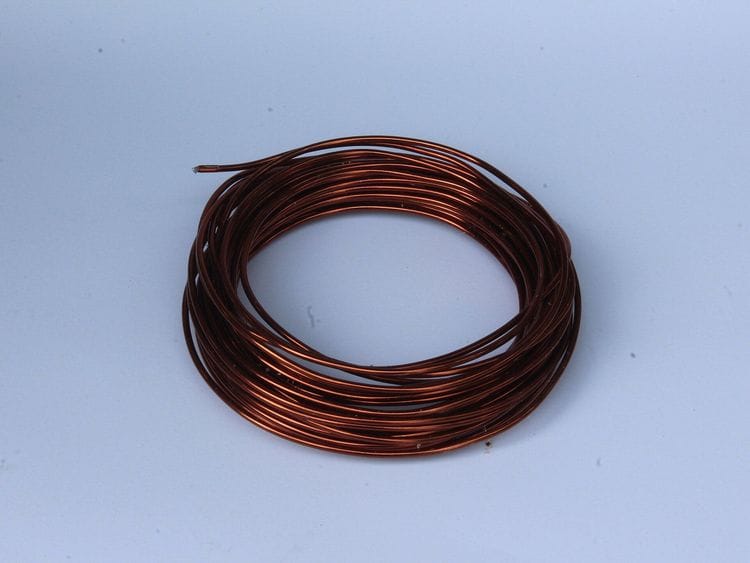
Photo: Hinnerk11 / Wikimedia Commons · CC BY-SA 4.0 WiringAnnealed copper wire
Holds more with less thickness than aluminium. The classic for pines and junipers, though it takes a little more practice.
- Gauges
- 1–4 mm
- Use
- Conifers
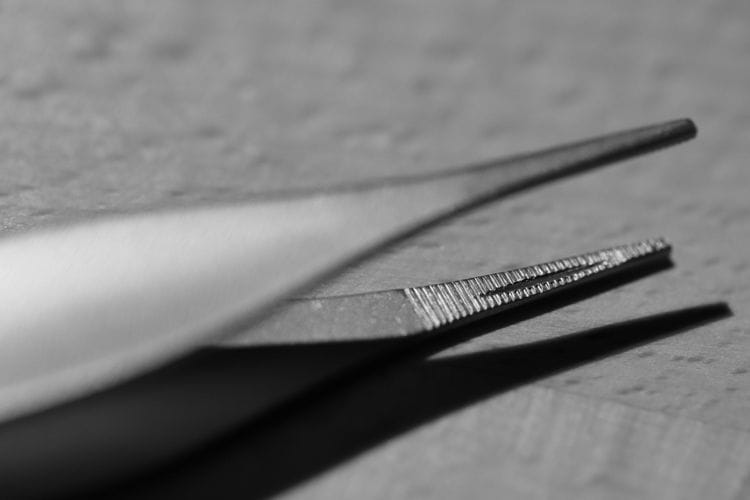
Photo: Joachim Schnürle / Unsplash · Unsplash License ToolsTweezers with repotting spatula
Tweezers for plucking needles and removing dead leaves; the spatula end smooths the soil and places moss.
- Length
- ~200 mm
- Use
- Plucking, moss, cleaning
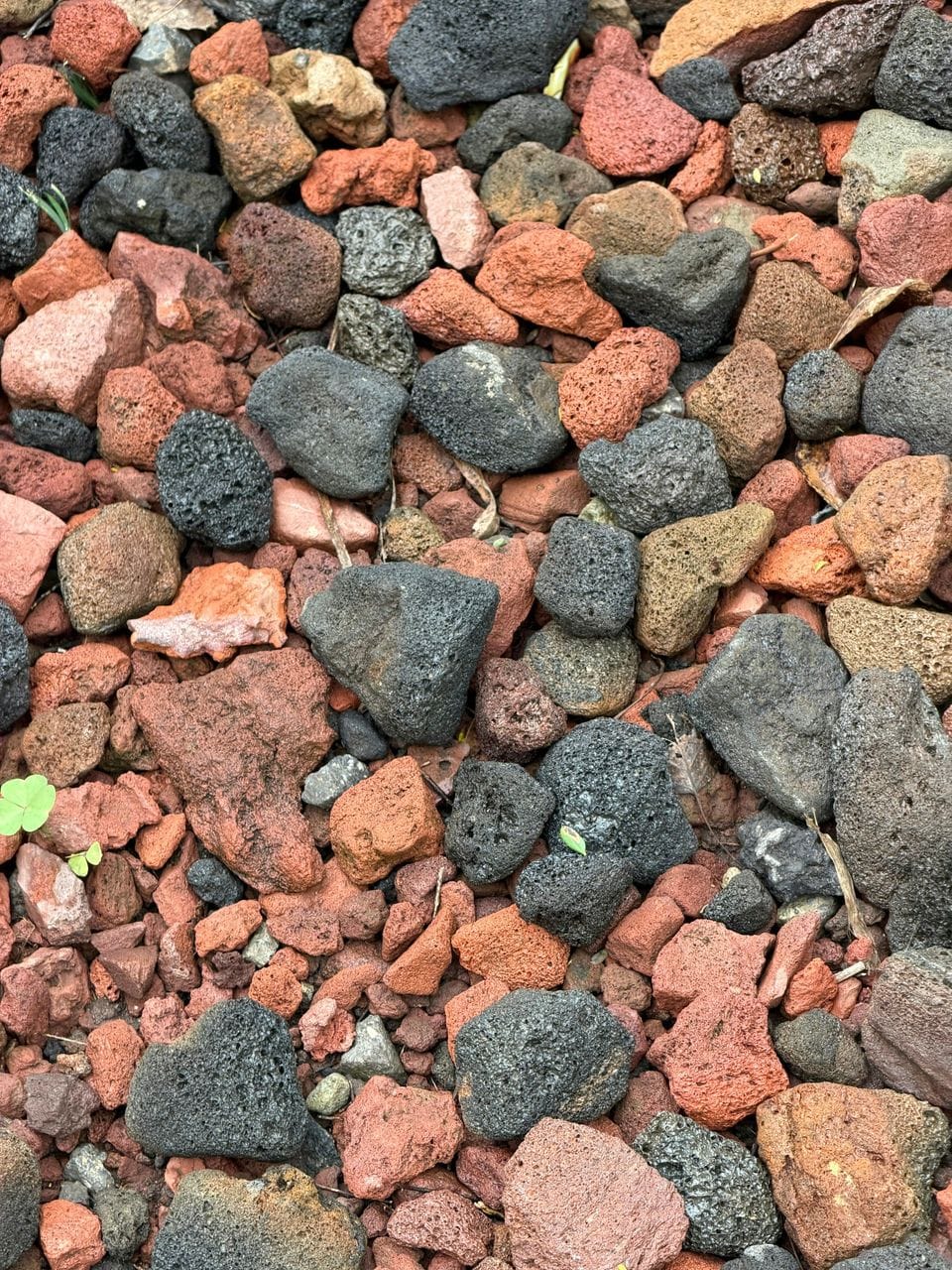
Photo: Pedro Vit / Unsplash · Unsplash License SoilLava rock · 3–8 mm
Adds structure and air to mixes for pines, junipers and olives. It does not break down over the years.
- Grain
- 3–8 mm
- For
- Conifers and Mediterranean species


