
Temperate · Conifer
Japanese black pine
Pinus thunbergii · Pinaceae
クロマツ · kuromatsu
The king of bonsai pines: rugged bark, stiff needles and a technique of its own, candle cutting, to keep needles short.
Quick care facts
- Light
- Full sun all yearThe more sun, the shorter the needles. Never in shade.
- Watering
- Moderate, let it dryWater thoroughly when the surface is dry. Too much water lengthens the needles.
- Soil
- Akadama 40 · pumice 30 · lava 30Very free-draining. Keep the white mycorrhiza on the roots when repotting.
- Feeding
- Heavy for developing treesSpring to autumn. For refined trees, pause until after candle cutting.
- Pruning
- Candle cutting in June–JulyCut the new candles to force a second flush with shorter needles.
- Repotting
- Every 3–5 yearsIn early spring, as the buds begin to extend.
- Difficulty
- Advanced
- Climate
- Down to −15 °CVery hardy. Tolerates heat, wind and coastal air.
About the species
The Japanese black pine (kuromatsu) symbolises strength in the bonsai tradition. Its bark cracks into deep plates over the years and its stiff, dark-green needles convey solidity.
It is a species for growers with some experience: its development is controlled by candle cutting in early summer and needle plucking in autumn. In return it is very tolerant of sun, wind and even salt.
Yearly calendar
What to do each month. In warm climates, bring spring tasks forward by about three weeks.
| Task | J | F | M | A | M | J | J | A | S | O | nowN | D |
|---|---|---|---|---|---|---|---|---|---|---|---|---|
| Feeding | ✓ | ✓ | ✓ | ✓ | ✓ | ✓ | ✓ | |||||
| Pruning | ✓ | ✓ | ||||||||||
| Pinching | ✓ | ✓ | ||||||||||
| Repotting | ✓ | ✓ | ||||||||||
| Wiring | ✓ | ✓ | ✓ | ✓ | ✓ |
Calendar for the northern hemisphere.
Common problems
SymptomVery long needles
Lack of sun, too much water or badly timed feeding. Full sun, moderate watering and candle cutting on time.
SymptomInner needles turn yellow in autumn
That is normal: the pine sheds needles older than two years. Pull them out with tweezers when thinning.
DiseaseBrown spots on the needles
It may be a needle fungus after wet springs. Improve airflow, remove affected needles and treat with a copper fungicide.
Seeing a different symptom?Diagnose by symptom
What we use with Japanese black pine
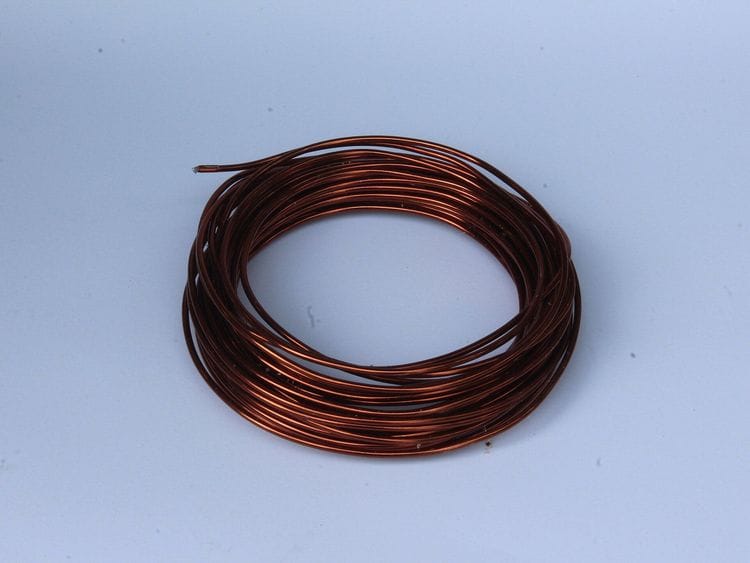
Photo: Hinnerk11 / Wikimedia Commons · CC BY-SA 4.0 WiringAnnealed copper wire
Holds more with less thickness than aluminium. The classic for pines and junipers, though it takes a little more practice.
- Gauges
- 1–4 mm
- Use
- Conifers
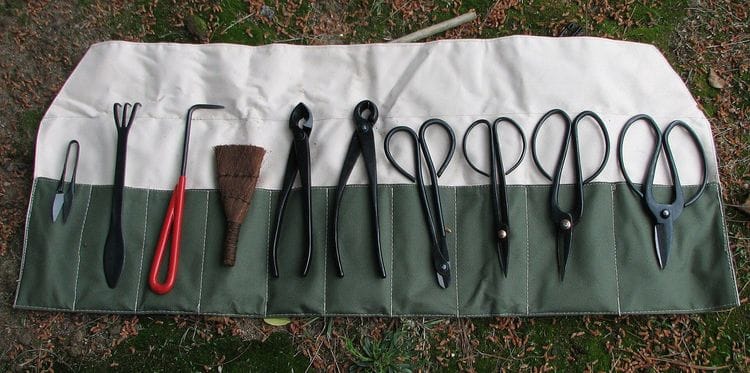
Photo: Ragesoss / Wikimedia Commons · CC BY-SA 3.0 ToolsCarbon steel concave cutter · 205 mm
Its curved blades cut the branch flush with the trunk. If you buy just one tool, make it this one.
- For
- Branches up to 12 mm
- Level
- All
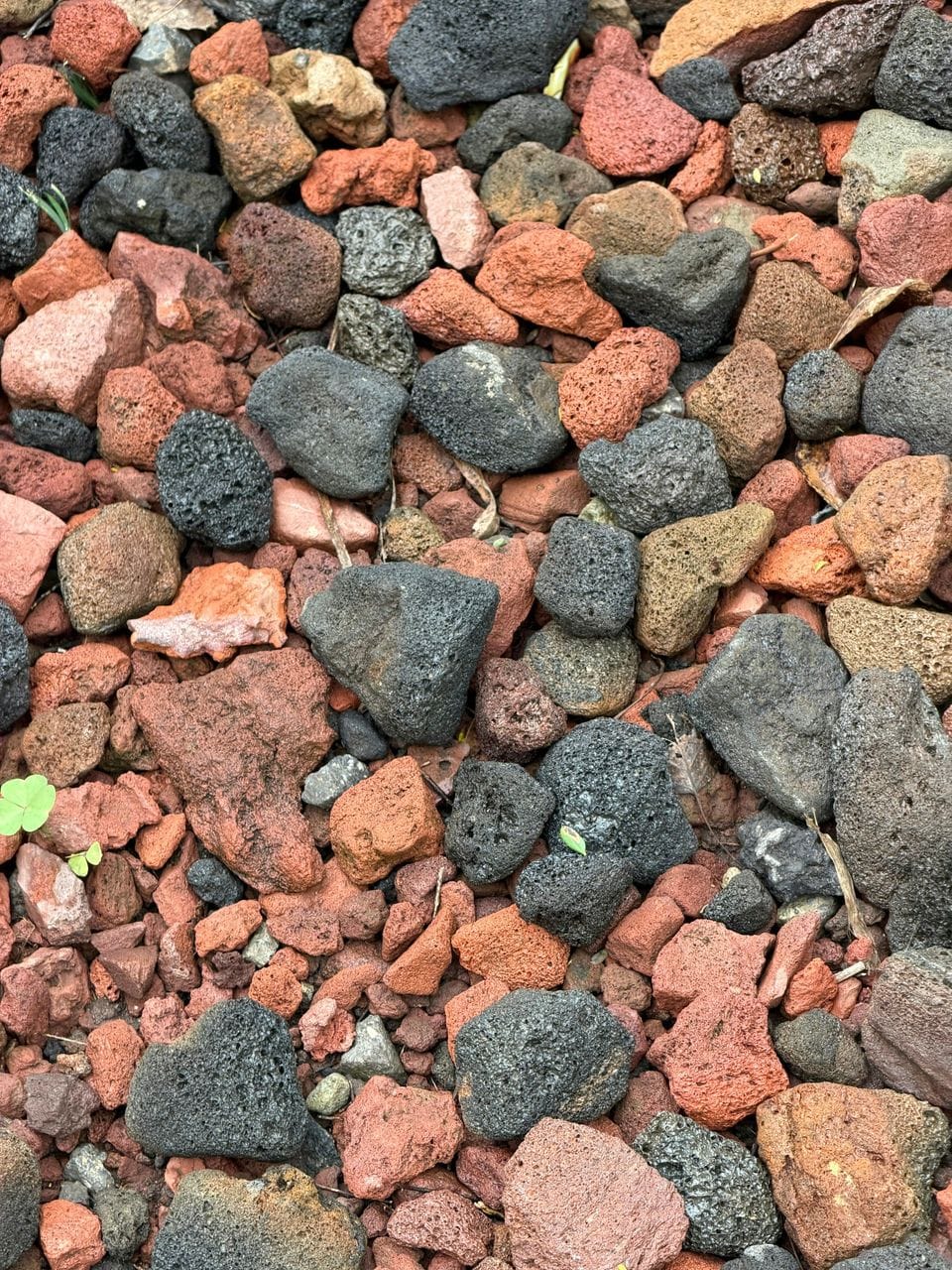
Photo: Pedro Vit / Unsplash · Unsplash License SoilLava rock · 3–8 mm
Adds structure and air to mixes for pines, junipers and olives. It does not break down over the years.
- Grain
- 3–8 mm
- For
- Conifers and Mediterranean species


