Ginseng ficus: soft or shrivelled bulb
Soft means rot and needs action now; shrivelled means thirst. How to tell them apart and rescue the tree.
The bulb of a ginseng ficus is the swollen base of the root and stem. It stores water, which is why it is the first to show when watering goes wrong. A firm, smooth bulb means a healthy tree; a soft or shrivelled one needs attention.
Soft or shrivelled: two different problems
| What you notice | What it is | Urgency |
|---|---|---|
| Bulb soft when squeezed, with dark patches and a damp smell | Rot from overwatering | Act today |
| Bulb shrivelled but firm, leaves limp | Dehydration from a long lack of water | This week |
| Bark on the bulb flaking off in dry plates | Normal on old bulbs, if it is firm underneath | None |
If it is soft: rot
This is the most serious situation, because rot travels up from the roots.
- Take the tree out of the pot and remove all the soil, which in these ficus is usually compacted peat.
- Cut away rotten roots (dark and soft) back to pale, firm tissue.
- If the rot has reached the bulb, cut out the soft part with a clean knife back to sound wood and let it air-dry for a few hours.
- Plant in very free-draining mineral soil (equal parts akadama, pumice and lava), in a pot just big enough.
- Water very little and keep it in bright shade, with no fertilizer, until it buds.
If more than half the bulb is soft, the chances are low. It is worth taking a cutting from a healthy branch as plan B: ficus roots easily.
If it is shrivelled: dehydration
Water thoroughly, sinking the pot in a bucket for ten minutes if water runs off the sides. Then go back to regular watering, checking the soil with a skewer. The bulb regains some volume within weeks, although a few wrinkles may remain.
How to stop it coming back
Ginseng ficus almost always arrives in peat, which stays wet for days. Replace it with mineral soil at the first repotting, between May and June, and water only when the soil starts to dry. More on the root rot page.
Profiles of the affected species

What you need
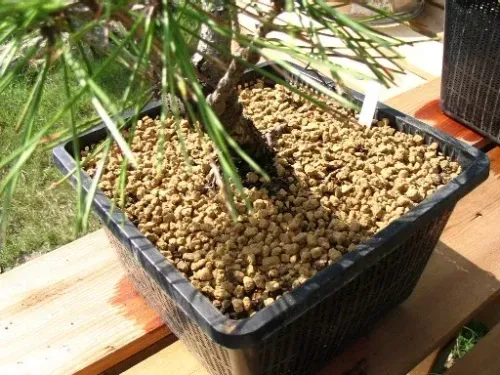
Photo: Globalist1789 / Wikimedia Commons · Public domain SoilHard-grade akadama · 2–5 mm
The base of nearly all our mixes: it holds water without waterlogging and changes colour as it dries.
- Grain
- 3–6 mm
- Mix
- 50–70 % with pumice
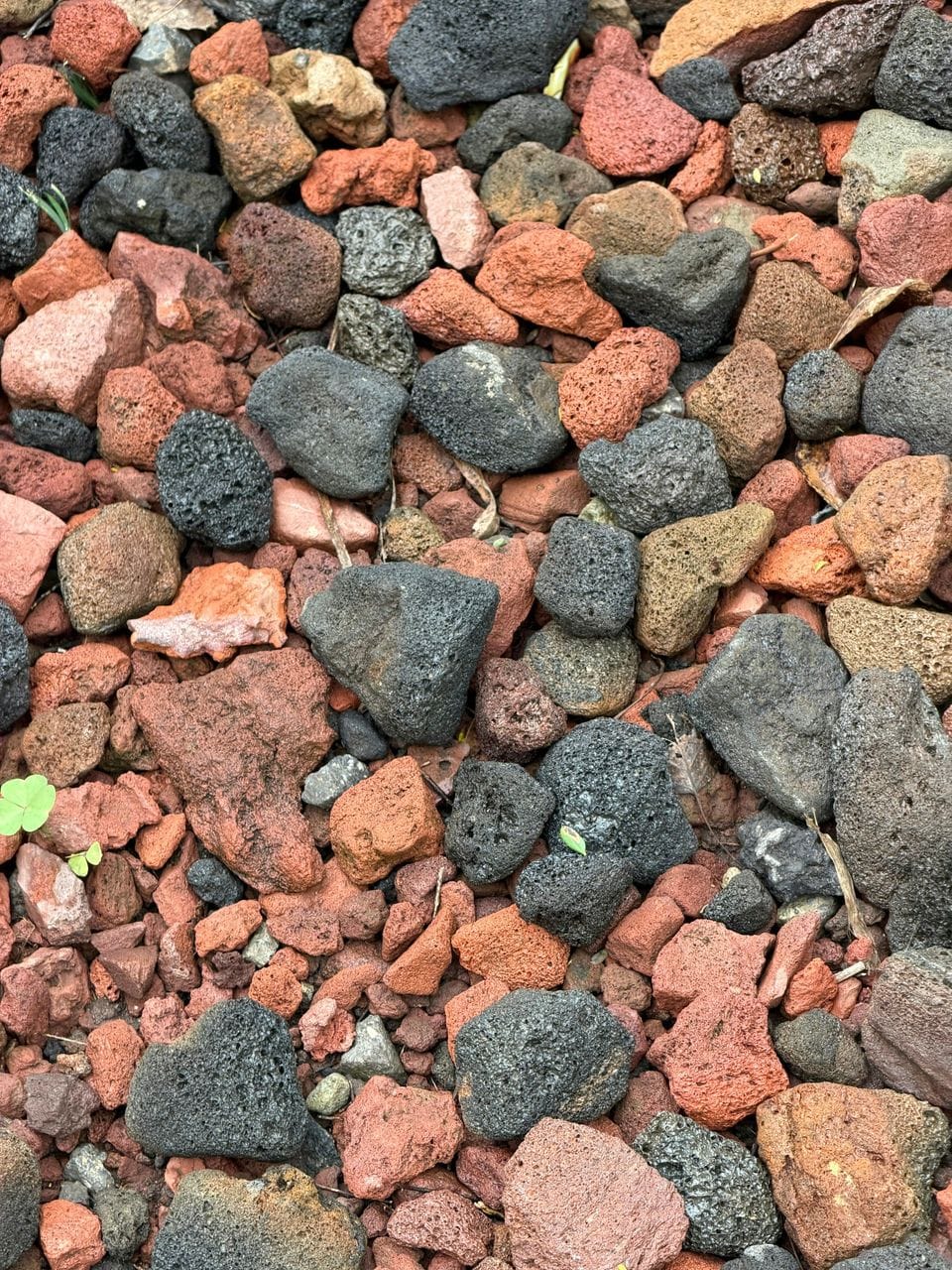
Photo: Pedro Vit / Unsplash · Unsplash License SoilLava rock · 3–8 mm
Adds structure and air to mixes for pines, junipers and olives. It does not break down over the years.
- Grain
- 3–8 mm
- For
- Conifers and Mediterranean species

- Soil
Pumice · 3–6 mm
Light, porous and stable: it brings drainage and air to the mix. The second base of nearly all our soils.
Grain3–6 mm · Mix20–50 %