Powdery mildew
A fungus that coats the leaves in white powder when days are warm and nights humid. How to stop it and prevent it.
Powdery mildew is a fungus that coats leaves in white powder, as if they had been dusted with flour. It appears when days are warm and nights humid, especially in spring and late summer.
How to recognise it
- Patches of white or greyish powder on leaves and soft shoots that rub off with a finger.
- New leaves distorted or drying out early.
- It usually starts inside the canopy, where air moves least.
Species most affected
Chinese elm, zelkova, maples, pomegranate and privet.
What to do now
- Remove the worst-affected leaves and shoots and put them in the bin, not the compost.
- Apply a sulphur or potassium bicarbonate fungicide at the dose on the pack. Do not use sulphur above 30 °C: it burns the leaves.
- Thin the canopy: a dense canopy with no air movement is perfect for the fungus.
- Water the soil, not the leaves, while the outbreak lasts.
How to stop it coming back
Space your trees out and give them full sun if the species allows. Prune so air can get into the canopy, and avoid wetting the foliage in the evening during risky periods.
Profiles of the affected species
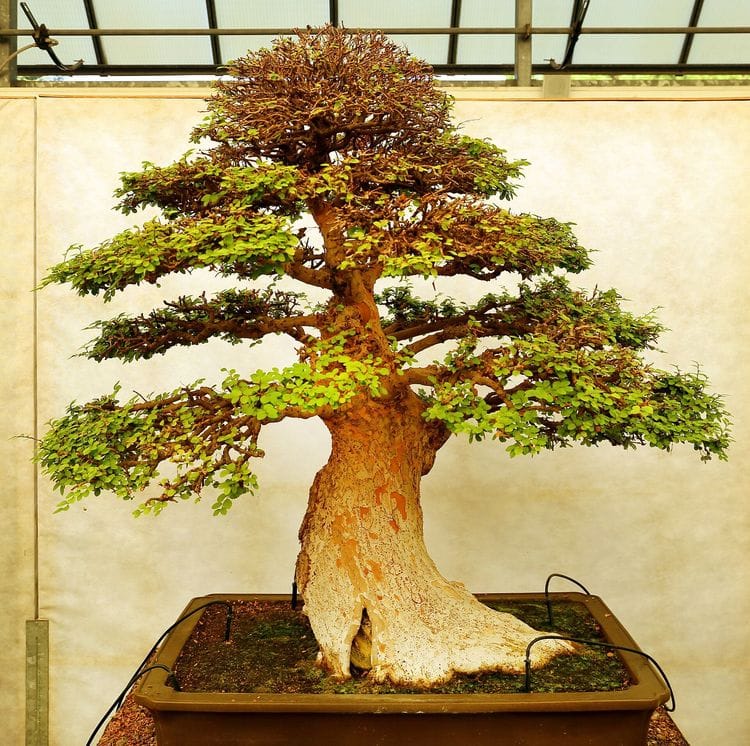
Photo: Sailko / Wikimedia Commons · CC BY-SA 4.0 Chinese elm
Ulmus parvifolia
BeginnerTemperate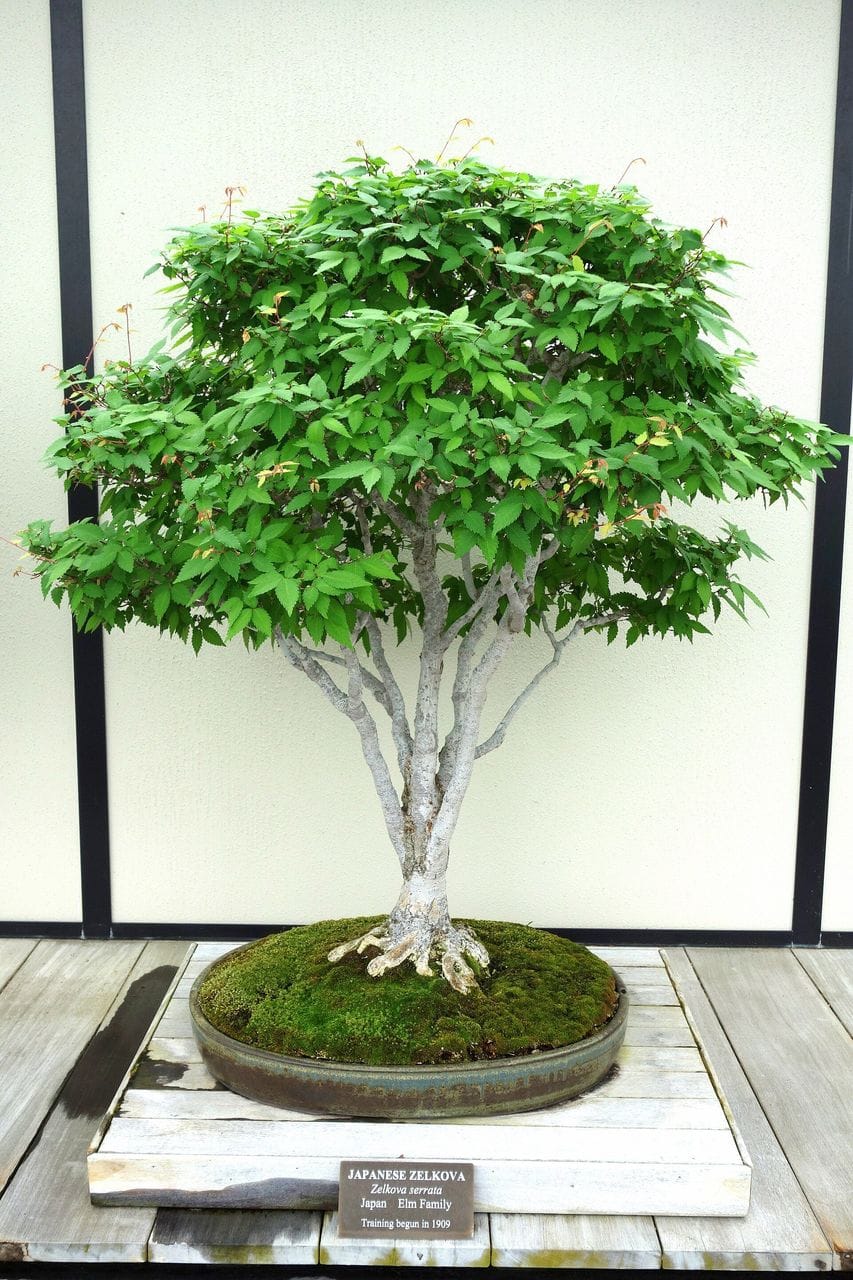
Photo: Daderot / Wikimedia Commons · CC0 Zelkova
Zelkova serrata
IntermediateTemperate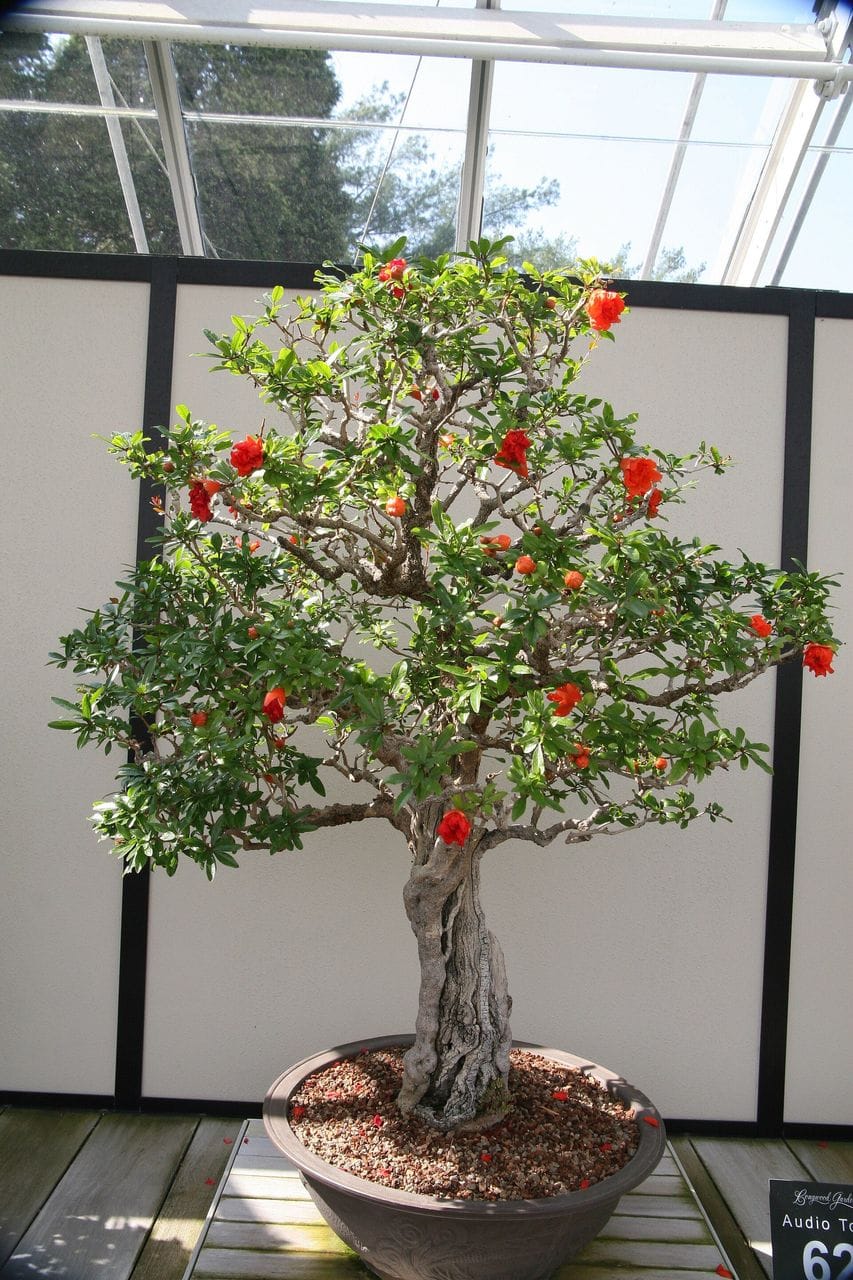
Photo: David J. Stang / Wikimedia Commons · CC BY-SA 4.0 Pomegranate
Punica granatum
IntermediateTemperate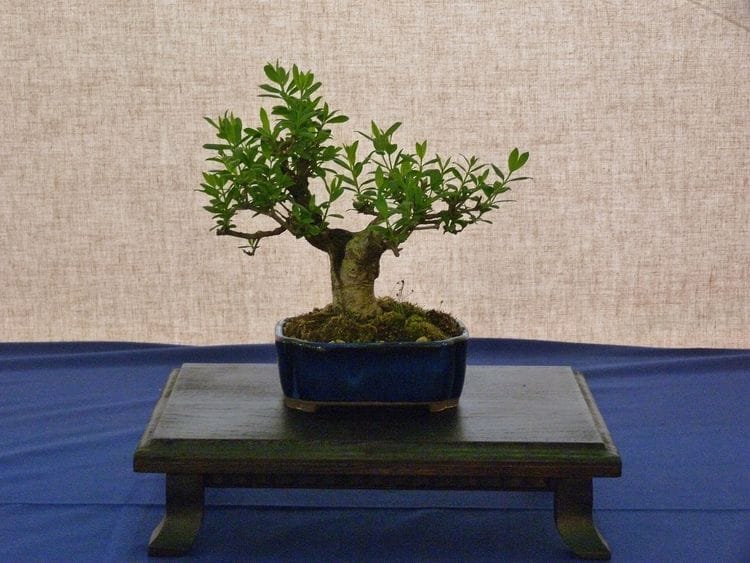
Photo: Derzsi Elekes Andor / Wikimedia Commons · CC BY-SA 4.0 Privet
Ligustrum sinense
BeginnerTemperate


