
Temperate · Evergreen
Privet
Ligustrum sinense · Oleaceae
Tough, small-leaved and vigorous. One of the best species to learn pruning and wiring without fear.
Quick care facts
- Light
- Sun or partial shadeOutdoors all year; more sun, smaller leaves.
- Watering
- RegularWater when the surface starts to dry. It forgives the odd miss.
- Soil
- Akadama 60 · pumice 20 · lava 20Any free-draining mix will do.
- Feeding
- Every 3–4 weeksMarch to October, solid organic fertilizer.
- Pruning
- Leave 1–2 pairs of leavesTakes hard pruning; buds back from old wood.
- Repotting
- Every 2 yearsIn early spring. Tolerates hard root pruning.
- Difficulty
- Beginner
- Climate
- Down to −10 °CHardy outdoors; protect the pot from long frosts.
About the species
Chinese privet is a very common hedge shrub, which is exactly why cheap, sturdy material is easy to find. It tolerates sun, heat, hard pruning and watering mistakes.
Its small leaves and fast budding allow a dense canopy in a few years. It lives outside all year in temperate climates and keeps much of its foliage in winter.
Yearly calendar
What to do each month. In warm climates, bring spring tasks forward by about three weeks.
| Task | J | F | M | A | M | J | J | A | S | O | nowN | D |
|---|---|---|---|---|---|---|---|---|---|---|---|---|
| Feeding | ✓ | ✓ | ✓ | ✓ | ✓ | ✓ | ✓ | ✓ | ||||
| Pruning | ✓ | ✓ | ✓ | ✓ | ✓ | ✓ | ||||||
| Pinching | ✓ | ✓ | ✓ | ✓ | ✓ | ✓ | ||||||
| Repotting | ✓ | ✓ | ||||||||||
| Wiring | ✓ | ✓ | ✓ | ✓ |
Calendar for the northern hemisphere.
Common problems
PestCurled, sticky leaves
Aphids. Rinse with water and apply insecticidal soap.
SymptomYellow leaves in winter
It normally renews some leaves in the cold. If widespread, check drainage.
DiseaseSpotted leaves after a wet spring
Leaf fungi. Remove affected leaves and improve airflow.
Seeing a different symptom?Diagnose by symptom
What we use with Privet
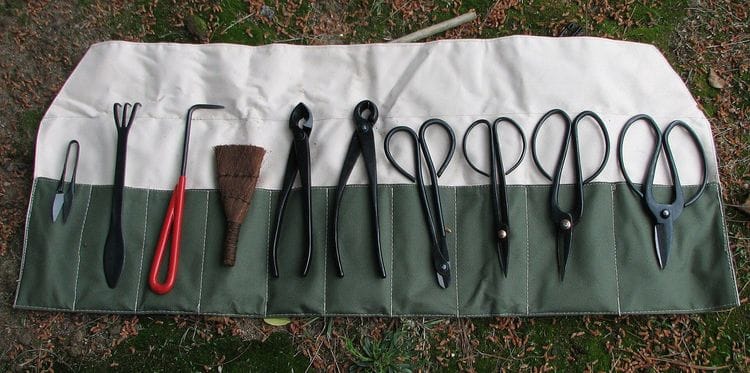
Photo: Ragesoss / Wikimedia Commons · CC BY-SA 3.0 ToolsCarbon steel concave cutter · 205 mm
Its curved blades cut the branch flush with the trunk. If you buy just one tool, make it this one.
- For
- Branches up to 12 mm
- Level
- All
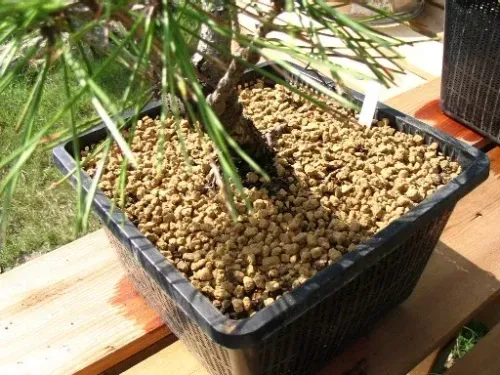
Photo: Globalist1789 / Wikimedia Commons · Public domain SoilHard-grade akadama · 2–5 mm
The base of nearly all our mixes: it holds water without waterlogging and changes colour as it dries.
- Grain
- 3–6 mm
- Mix
- 50–70 % with pumice
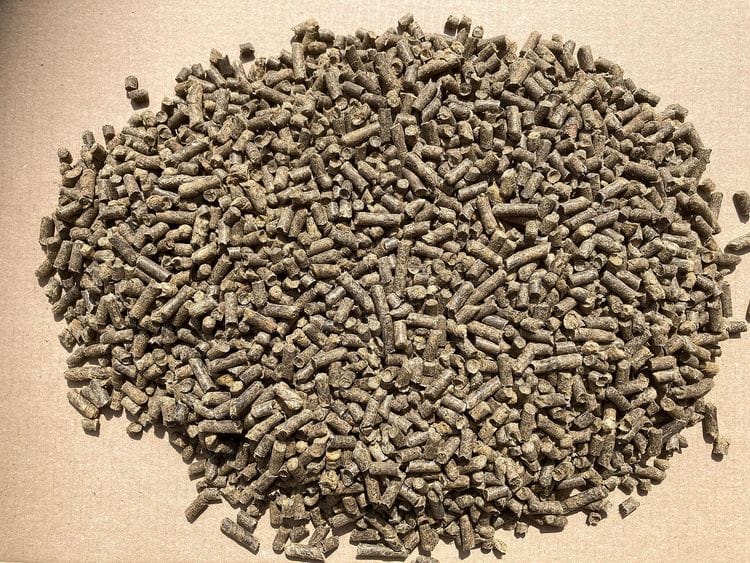
Photo: RolfSr / Wikimedia Commons · CC BY-SA 4.0 FeedingSolid organic bonsai fertilizer
It releases nutrients slowly with every watering, so it is hard to overdo. Ideal for beginners.
- Format
- Pellets
- Frequency
- Every 4–6 weeks

